
If you enjoy convenient, delicious, and healthy snacks, you may have heard the word babybelletje. While the name might sound unusual to many English speakers, it generally refers to a small, individually wrapped portion of semi-soft cheese that is easy to carry, simple to eat, and loved by both children and adults.
A babybelletje is much more than just a snack. It represents convenience, quality, portion control, and a fun way to enjoy cheese. Its famous round shape and colorful wax coating make it instantly recognizable in stores around the world. Whether packed in a school lunch, enjoyed during a work break, or added to a picnic basket, a babybelletje fits almost any lifestyle.
In recent years, interest in portable dairy products has grown as more people look for snacks that are high in protein, easy to store, and free from unnecessary ingredients. This trend has made babybelletje even more popular among families, fitness enthusiasts, travelers, and anyone who wants a satisfying bite between meals.
This guide explores everything you need to know about babybelletje. Instead of simply describing what it is, we’ll also examine why it has become so popular, how it compares with other cheeses, its nutritional value, practical uses, storage tips, and the reasons many people choose it as part of a balanced diet.
Whether you are discovering babybelletje for the first time or simply want to learn more, this complete guide provides easy-to-understand information designed for everyday readers.
What Is a Babybelletje?
A babybelletje is a small serving of semi-soft cheese, usually made from cow’s milk. Each piece is individually wrapped to keep it fresh and protected. The cheese is known for its smooth texture, mild flavor, and convenient size.
One of its most recognizable features is its protective wax coating. This layer helps preserve freshness while giving the cheese its signature appearance. Before eating, the wax is peeled away to reveal the cheese inside.
Unlike many processed snack foods, a babybelletje is made from real cheese. Depending on the variety, ingredients often include milk, salt, cultures, and enzymes. Some versions also offer reduced-fat options or cheeses with different flavors.
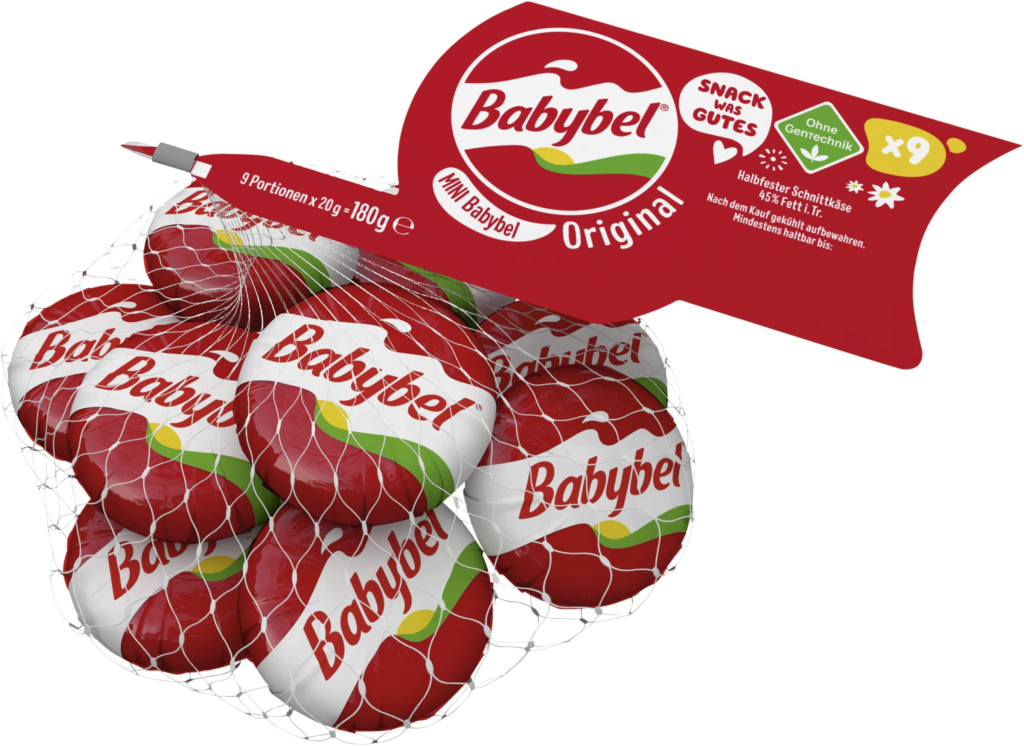
Because each piece is individually packaged, it is easy to carry in lunch boxes, backpacks, picnic baskets, or office bags.
The Meaning Behind the Name Babybelletje
The word “babybelletje” is often associated with the small size of the cheese. In some languages, the ending suggests something little or cute, making the name fit perfectly with its compact design.
Although the product itself has become internationally recognized, many people use different local names depending on their language and region. Regardless of the name, the product refers to the same convenient, individually wrapped cheese snack.
The playful name also contributes to its popularity among children. Parents often appreciate snacks that are easy to handle, while children enjoy opening the colorful wrapper before eating.
Why Babybelletje Has Become So Popular
The popularity of babybelletje is not based on one feature alone. Instead, it combines several qualities that appeal to modern consumers.
Also read:Woeken: A Complete Guide to Its Meaning, Origin, Uses, and Online Popularity
First, convenience plays a major role. Busy lifestyles leave little time for preparing snacks, making ready-to-eat options increasingly valuable.
Second, portion control is another advantage. Each serving is already measured, making it easier for people to manage calorie intake without cutting slices from a larger cheese block.
Third, many people appreciate foods made with relatively simple ingredients. While recipes may vary slightly, many babybelletje products focus on real cheese without unnecessary complexity.
Finally, taste remains one of the biggest reasons people continue buying it. Its mild flavor appeals to both children and adults, making it suitable for many occasions.
The History of Small Cheese Snacks
Cheese has been part of human diets for thousands of years. Different cultures developed unique methods of preserving milk, creating countless cheese varieties across Europe and beyond.
As food technology improved, manufacturers looked for ways to package cheese into convenient individual portions. This innovation made cheese easier to transport, store, and enjoy without cutting from a larger wheel.
The concept of individually wrapped cheese quickly gained popularity because it solved several everyday problems. It reduced waste, improved freshness, and made cheese more portable than ever before.
Today, babybelletje represents this modern approach to traditional cheese making, combining classic dairy production with convenient packaging.
How Babybelletje Is Made
Although exact recipes vary by manufacturer, the production process generally follows traditional cheese-making techniques.
The journey begins with fresh cow’s milk. The milk is carefully tested to ensure high quality before production starts.
Natural cultures are added to begin fermentation. These cultures help develop the cheese’s flavor and texture.
Enzymes are then introduced to separate the milk into curds and whey.
The curds are collected, shaped into small rounds, and pressed to remove excess moisture.
After shaping, the cheese is allowed to mature for a period of time depending on the desired texture and flavor.
Finally, each piece receives its protective wax coating before being individually wrapped for sale.
This process creates the smooth, creamy texture that many people associate with babybelletje.
What Does Babybelletje Taste Like?
One reason babybelletje appeals to so many people is its balanced flavor.
Instead of being very sharp or strong, it offers a mild, creamy taste with gentle buttery notes.
Its texture is smooth and slightly firm without becoming crumbly. This makes it enjoyable on its own or combined with many other foods.
Because the flavor is not overpowering, it pairs well with fruits, vegetables, crackers, nuts, and sandwiches.
People who find aged cheeses too intense often enjoy babybelletje because of its softer taste profile.
Nutritional Value of Babybelletje
The exact nutrition depends on the variety, but babybelletje generally provides several important nutrients.
Common nutrients include:
- Protein
- Calcium
- Phosphorus
- Vitamin B12
- Vitamin A
- Healthy fats
Protein supports muscle maintenance and helps keep people feeling full.
Calcium contributes to strong bones and healthy teeth.
Vitamin B12 supports the nervous system and energy production.
Phosphorus works alongside calcium to maintain healthy bones.
Because each serving is individually portioned, many people find it easier to include cheese within a balanced eating plan.
Is Babybelletje a Healthy Snack?
For many people, the answer is yes.
Babybelletje offers several characteristics that fit into a balanced diet.
Unlike sugary snacks, it provides protein and fat, which often help reduce hunger between meals.
Its individual packaging naturally limits portion size.
Many varieties contain relatively few ingredients compared with highly processed snack foods.
However, as with all cheeses, moderation remains important because cheese also contains saturated fat and sodium.
When combined with fruits, vegetables, or whole-grain crackers, babybelletje becomes part of a more complete snack.
Who Can Enjoy Babybelletje?
One of the biggest strengths of babybelletje is its broad appeal.
Children often enjoy its small size and fun packaging.
Teenagers appreciate its convenience during school hours.
Adults frequently include it in office lunches or afternoon snacks.
Travelers value its portability during road trips.
Fitness enthusiasts often choose it as a quick source of protein after light exercise.
Older adults may also enjoy its soft texture, making it easier to eat than some harder cheeses.
Of course, individuals with dairy allergies or lactose sensitivity should always check product labels before consuming any cheese product.
Different Varieties of Babybelletje
While the classic version remains the best known, several varieties are available in many markets.
Some offer a richer flavor, while others reduce fat content.
Popular options may include:
- Original semi-soft cheese
- Light cheese
- White cheddar style
- Gouda-inspired varieties
- Mozzarella style
- Plant-based alternatives in selected regions
These choices allow consumers to select a version that best matches their dietary preferences and taste.
How Babybelletje Fits Into Modern Lifestyles
Today’s consumers often balance work, family responsibilities, travel, and fitness goals. Snacks must be practical without sacrificing quality.
Babybelletje fits this lifestyle because it requires no preparation.
There is no need for slicing, measuring, or additional packaging.
Simply remove the wrapper, peel away the wax, and enjoy.
Its compact size also makes it suitable for lunch boxes, office desks, gym bags, hiking trips, and long drives.
This combination of simplicity and nutrition helps explain why babybelletje continues attracting new consumers around the world.
Why Portion Control Matters
One overlooked advantage of babybelletje is portion awareness.
Many people unintentionally eat larger amounts when cheese is served from a large block.
Since each babybelletje is individually packaged, consumers automatically know how much they are eating.
This simple feature supports healthier eating habits without requiring complicated calculations.
Instead of removing several slices from a larger package, one serving often satisfies snack cravings while keeping portions reasonable.
The Unique Wax Coating Explained
Many first-time buyers wonder why babybelletje comes covered in colorful wax.
The wax serves several purposes.
It protects the cheese from moisture loss.
It helps preserve freshness.
It reduces physical damage during transportation.
It creates the product’s recognizable appearance.
Most importantly, the wax is not meant to be eaten.
Before enjoying the cheese, simply peel away the wax coating to reveal the cheese inside.
Many children even enjoy removing the wax, making snack time more interactive.
Common Ingredients Found in Babybelletje
Although recipes vary between manufacturers, most babybelletje products include ingredients such as:
- Pasteurized cow’s milk
- Salt
- Cheese cultures
- Microbial enzymes
Some varieties may also include additional ingredients depending on the flavor or reduced-fat formula.
Consumers looking for simpler ingredient lists often appreciate that traditional babybelletje products are made from relatively few components compared with many packaged snacks.
What Makes Babybelletje Different from Regular Cheese?
At first glance, babybelletje may seem like any other cheese, but several characteristics set it apart.
Its individual packaging makes it more portable than traditional cheese blocks.
Its portion size reduces waste because only one serving is opened at a time.
Its wax coating provides extra protection.
Its mild taste appeals to a wider range of consumers.
Finally, its convenient design encourages healthier snacking by making real cheese available almost anywhere.
These features help explain why babybelletje remains one of the most recognizable individual cheese snacks available today.
How to Enjoy Babybelletje in Everyday Meals
Although many people eat a babybelletje by itself, there are many creative ways to include it in everyday meals. Because it has a mild taste and smooth texture, it works well with both simple and more filling recipes.
For breakfast, pair a babybelletje with whole-grain toast, fresh fruit, and a boiled egg. This creates a balanced meal with protein, carbohydrates, and vitamins.
For lunch, add a babybelletje to a sandwich, wrap, or salad. It can also be packed with sliced vegetables, grapes, and crackers for an easy lunch box meal.
At dinner, cut the cheese into small pieces and mix it into pasta, roasted vegetables, or homemade pizza for extra flavor.
Its versatility makes it suitable for almost every meal of the day.
Creative Snack Ideas with Babybelletje
One reason people enjoy babybelletje is that it can be combined with many healthy foods.
Some simple snack combinations include:
- Apple slices and babybelletje
- Grapes with whole-grain crackers
- Carrot sticks and hummus
- Mixed nuts and dried fruit
- Celery sticks with peanut butter
- Cherry tomatoes and cucumber slices
- Turkey slices and whole-wheat crackers
- Fresh berries with yogurt
These combinations provide different nutrients while making snack time more satisfying.
Babybelletje for Children’s Lunch Boxes
Parents often look for foods that are healthy, convenient, and easy for children to eat. Babybelletje checks many of these boxes.
The small size fits perfectly inside lunch containers. Since each piece is individually wrapped, it stays clean and fresh until lunchtime.
Many children enjoy removing the wax before eating the cheese, making lunchtime a little more fun.
Parents can combine babybelletje with:
- Fresh fruit
- Whole-grain crackers
- Mini sandwiches
- Baby carrots
- Cucumber slices
- Yogurt
- Hard-boiled eggs
This creates a colorful and balanced lunch that includes protein, calcium, and vitamins.
Can Babybelletje Help with Weight Management?
No single food causes weight loss or weight gain by itself. Instead, overall eating habits matter.
However, babybelletje may support weight management in several ways.
Its protein content helps many people feel full for longer.
Its individual serving size makes portion control easier.
It may reduce the desire for sugary snacks during the day.
Because it is satisfying, some people find it easier to avoid overeating later.
The best results come when babybelletje is included as part of a balanced diet rich in vegetables, fruits, whole grains, and lean proteins.
Is Babybelletje Suitable for Fitness Enthusiasts?
Many active people include cheese as part of their nutrition plan.
Babybelletje offers protein, which supports normal muscle maintenance when combined with regular exercise and a healthy diet.
Because it is portable, many people carry it to:
- The gym
- Hiking trips
- Cycling events
- Sporting activities
- Long workdays
It can be eaten before or after light exercise as part of a balanced snack.
How to Store Babybelletje Properly
Proper storage helps maintain freshness and flavor.
For the best quality:
- Keep refrigerated.
- Leave the wax coating in place until ready to eat.
- Avoid exposing it to direct sunlight.
- Store it in its original packaging whenever possible.
- Check the expiration date before consuming.
If taken on a picnic or trip, try to keep it cool using an insulated lunch bag or ice pack.
How Long Does Babybelletje Stay Fresh?
Because of its protective wax coating and individual packaging, babybelletje generally stays fresh longer than many cut cheeses.
However, freshness depends on:
- Storage temperature
- Packaging condition
- Manufacturing date
- Expiration date
Always discard cheese that develops an unusual smell, mold, or damaged packaging.
Common Myths About Babybelletje
Many misconceptions exist about individually wrapped cheese.
Myth 1: It is made from artificial cheese.
Reality: Traditional babybelletje is made from real cheese using milk, cultures, salt, and enzymes.
Myth 2: The wax should be eaten.
Reality: The wax is only protective packaging and should always be removed.
Myth 3: It contains large numbers of preservatives.
Reality: Many varieties rely mainly on packaging and refrigeration rather than heavy preservatives.
Myth 4: It is only for children.
Reality: Adults around the world regularly enjoy babybelletje as a convenient snack.
Babybelletje Compared with Other Popular Cheese Snacks
Compared with many packaged cheese snacks, babybelletje offers several advantages.
It uses simple ingredients.
Each serving is individually portioned.
Its mild taste appeals to nearly every age group.
It travels well.
It pairs easily with many healthy foods.
While other cheeses may offer stronger flavors, babybelletje focuses on convenience, freshness, and everyday enjoyment.
Environmental Considerations
Many consumers today think carefully about food packaging.
The wax coating helps reduce food waste by protecting the cheese from drying out or becoming damaged.
Some manufacturers also continue improving packaging materials and production methods to reduce environmental impact.
Consumers can also help by disposing of packaging responsibly according to local recycling guidelines where available.
Buying Guide: What to Look for When Purchasing Babybelletje
When shopping, consider the following:
- Check the expiration date.
- Choose the variety that matches your taste.
- Read the ingredient list.
- Compare nutritional information.
- Select the package size that fits your household.
- Make sure the wax coating is not damaged.
Buying from stores with proper refrigeration also helps ensure product quality.
Who Should Be Careful When Eating Babybelletje?
Although babybelletje is suitable for many people, some individuals should take extra care.
People with a milk allergy should avoid dairy-based varieties.
Individuals with lactose intolerance may need to check whether they can comfortably digest the product.
People following a low-sodium diet should review the nutrition label before eating.
Anyone with specific medical conditions should follow advice from a qualified healthcare professional regarding dairy intake.
Interesting Facts About Babybelletje
Here are some fun facts that many people do not know.
Also read:Lamps4U: The Complete Guide to Stylish, Practical, and Modern Home Lighting in 2026
- Every piece is individually wrapped for freshness.
- The wax coating has become one of the most recognizable food packages in the world.
- The cheese is enjoyed in many different countries.
- Its small size helps reduce unnecessary food waste.
- It is often included in lunch boxes because it requires no preparation.
- Many people reuse the colorful wax for arts and crafts instead of throwing it away.
Expert Tips for Getting the Most from Babybelletje
To enjoy the best experience:
- Serve it slightly cool rather than extremely cold.
- Pair it with fresh fruit for natural sweetness.
- Combine it with vegetables for extra nutrition.
- Include whole grains for a balanced snack.
- Avoid leaving it at room temperature for extended periods.
- Store unopened pieces properly in the refrigerator.
These simple habits help maintain quality and flavor.
The Future of Babybelletje
Consumer preferences continue changing each year.
People increasingly want foods that are:
- High in protein
- Easy to carry
- Made with simple ingredients
- Suitable for busy lifestyles
- Available in different flavors
- Produced more sustainably
Because babybelletje already meets many of these expectations, it is likely to remain a popular choice for years to come.
Manufacturers may continue introducing new flavors, reduced-fat options, and plant-based alternatives to meet changing consumer needs.
Our Perspective: Why Babybelletje Continues to Stand Out
Many cheese products compete for attention, but babybelletje succeeds because it solves several everyday problems at once.
It offers convenience without sacrificing taste.
It supports portion control without requiring careful measuring.
It works for children, adults, travelers, office workers, and active individuals alike.
Its recognizable appearance creates trust, while its consistent quality encourages repeat purchases.
Rather than being just another cheese snack, babybelletje has become an example of how thoughtful packaging and simple ingredients can transform a traditional food into a modern favorite.
As eating habits continue evolving, products that combine nutrition, portability, and convenience are likely to remain in high demand. Babybelletje is well positioned to continue serving this growing market.
Conclusion
Babybelletje has earned its place as one of the most recognizable individually wrapped cheese snacks because it combines tradition with convenience. Made from real cheese and packaged in a distinctive wax coating, it delivers a mild flavor, smooth texture, and practical serving size that fits modern lifestyles.
Whether you are preparing school lunches, looking for a satisfying office snack, planning a picnic, or simply wanting a quick source of protein and calcium, babybelletje offers a reliable option. Its portability, balanced nutrition, and easy storage make it suitable for children, adults, and active individuals alike.
Beyond its convenience, babybelletje demonstrates how thoughtful design can make everyday foods easier to enjoy. The individually wrapped portions help reduce waste, encourage portion control, and keep the cheese fresh until it is ready to eat.
As consumers continue seeking nutritious, simple, and convenient foods, babybelletje remains a smart choice that balances taste, quality, and practicality. Whether enjoyed on its own or paired with fruits, vegetables, whole grains, or other wholesome foods, it continues to prove that even a small cheese can make a big difference in everyday eating.
Frequently Asked Questions About Babybelletje
Can babybelletje be frozen?
Yes, it can be frozen, but freezing may slightly change its texture after thawing. It is generally best enjoyed fresh.
Can pregnant women eat babybelletje?
If it is made with pasteurized milk, it is generally considered safe during pregnancy. Always read the product label and follow your healthcare provider’s advice.
Does babybelletje contain gluten?
Traditional babybelletje does not usually contain gluten ingredients. However, people with celiac disease or gluten sensitivity should always check the package for the latest ingredient information.
Can I cook with babybelletje?
Yes. It melts well in many recipes, including pasta dishes, grilled sandwiches, and homemade pizzas.
Is babybelletje suitable for school lunches?
Yes. Its individual packaging, convenient size, and balanced nutrition make it a popular lunch box choice.