
A garden tub is one of the most luxurious features you can add to a bathroom. It offers a deeper and more relaxing bathing experience than a standard bathtub, making it a popular choice for homeowners who want comfort, style, and a spa-like atmosphere at home. Whether you are building a new house, remodeling your master bathroom, or replacing an old bathtub, a garden tub can transform your space into a peaceful retreat.
Unlike a regular bathtub, a garden tub is designed mainly for soaking rather than quick daily bathing. Its extra depth allows your body to be covered with warm water, helping you relax after a long day. Many people also choose a garden tub because it enhances the appearance of their bathroom and may increase the overall appeal of their home.
Modern garden tubs are available in many shapes, sizes, and materials. From sleek freestanding models to elegant drop-in designs, there is a style to suit nearly every bathroom. Manufacturers also offer a wide range of finishes and features, making it easier than ever to find a tub that matches your home’s décor and your personal preferences.
This guide covers everything you need to know about a garden tub, including its history, benefits, types, materials, sizes, installation options, costs, maintenance, and expert buying advice. Whether you are purchasing your first soaking tub or upgrading an older model, this article will help you make an informed decision.
What Is a Garden Tub?
A garden tub is a large, deep soaking bathtub designed to provide maximum comfort and relaxation. Compared to a standard bathtub, it has a deeper basin that allows more of your body to be submerged in water. Most garden tubs are also wider, giving users additional room to stretch out and enjoy a long, comfortable soak.
Originally, garden tubs were installed near large windows overlooking gardens or beautiful outdoor scenery. The peaceful setting created a calming bathing experience, which is how the name “garden tub” became popular. Although today’s homes may not always place these tubs beside gardens, the name continues to describe deep soaking bathtubs that focus on comfort rather than speed or convenience.
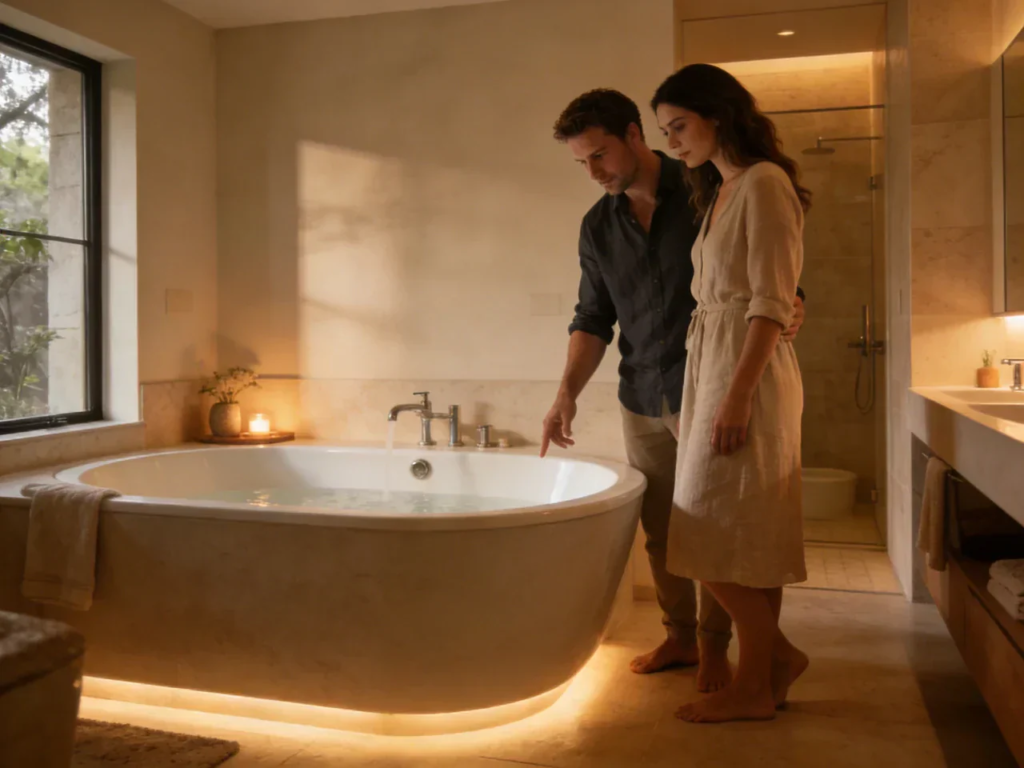
Unlike whirlpool tubs or Jacuzzi-style bathtubs, a traditional garden tub usually does not include water jets. Instead, it emphasizes quiet relaxation through its spacious design and comfortable shape.
Most garden tubs include features such as:
- Deep soaking depth
- Spacious interior
- Comfortable sloping backrest
- Smooth rounded edges
- Stylish appearance
- Optional deck-mounted or freestanding faucets
- Easy-to-clean surfaces
Many people assume that every freestanding bathtub is a garden tub, but this is not always true. A freestanding tub refers to the installation style, while a garden tub refers to its size and soaking purpose.
Also read:Decobry: A Complete Guide to Modern Home Décor, Furniture, and Daily Living Essentials
Why Is It Called a Garden Tub?
The name “garden tub” has an interesting history that many homeowners do not know.
Centuries ago, large soaking tubs were often placed near windows that overlooked gardens, courtyards, or other natural landscapes. Bathing while enjoying flowers, trees, and fresh air created a peaceful and luxurious experience.
As indoor plumbing became more common during the nineteenth century, these oversized soaking tubs remained popular, and the name “garden tub” continued to be used even after bathrooms became fully enclosed.
Today, a garden tub does not need to face a garden. Instead, the term refers to any bathtub designed for deep soaking and relaxation.
Understanding this history also explains why garden tubs are often associated with luxury bathrooms and spa-inspired designs.
Garden Tub vs. Standard Bathtub
Many homeowners wonder whether upgrading from a standard bathtub to a garden tub is worth the investment.
Although both are designed for bathing, they offer very different experiences.
| Feature | Garden Tub | Standard Bathtub |
| Depth | Deep soaking design | Shallow design |
| Comfort | Excellent for long baths | Suitable for quick baths |
| Water Capacity | High | Moderate |
| Bathroom Appearance | Luxury feature | Basic fixture |
| Space Required | Larger | Smaller |
| Best For | Relaxation and soaking | Everyday bathing |
A standard bathtub works well for routine bathing, especially in smaller bathrooms. However, if relaxation is your priority, a garden tub provides significantly more comfort and a more enjoyable soaking experience.
Another important difference is aesthetics. A garden tub often becomes the centerpiece of the bathroom, creating a high-end appearance that many homeowners appreciate.
Garden Tub vs. Freestanding Tub
One of the biggest misconceptions is that a garden tub and a freestanding tub are exactly the same.
In reality, they describe different things.
A freestanding tub refers to the way the bathtub is installed. It stands independently on the bathroom floor without being attached to surrounding walls or a platform.
A garden tub describes the function of the bathtub. It is designed primarily for deep soaking and relaxation.
Because of this distinction:
- A garden tub can be freestanding.
- A garden tub can also be installed in a deck or platform.
- Not every freestanding tub is deep enough to qualify as a garden tub.
When shopping, pay attention to the soaking depth and interior dimensions instead of assuming every freestanding model offers the same level of comfort.
Key Features of a Garden Tub
Garden tubs have several characteristics that set them apart from traditional bathtubs.
Deep Soaking Design
The defining feature of a garden tub is its generous depth. The higher walls allow more of your body to remain underwater, creating a more relaxing and comfortable bathing experience.
Spacious Interior
Garden tubs are designed with extra room for your shoulders, legs, and arms. This larger interior makes it easier to stretch out and enjoy extended soaking sessions.
Elegant Appearance
Whether installed as a freestanding centerpiece or built into a custom deck, a garden tub adds elegance to almost any bathroom. Its clean lines and modern design can make the entire room look more luxurious.
Comfortable Shape
Many models feature gently sloped backrests and ergonomic curves that support your neck and back during long soaks.
Multiple Installation Options
Homeowners can choose from several installation styles, including:
- Freestanding
- Drop-in
- Corner
- Platform-mounted
This flexibility makes a garden tub suitable for many different bathroom layouts.
Variety of Sizes
Garden tubs are available in compact models for medium-sized bathrooms as well as oversized versions for spacious master suites. This wide selection makes it easier to find a tub that fits your available space.
Benefits of Owning a Garden Tub
Installing a garden tub offers more than just visual appeal. It also provides practical and lifestyle benefits that many homeowners appreciate.
Creates a Spa-Like Experience
A garden tub turns an ordinary bathroom into a relaxing retreat. Adding bath salts, scented candles, or essential oils can make every soak feel like a visit to a luxury spa.
Helps Reduce Everyday Stress
Warm water naturally helps your body relax after a busy day. Many people enjoy soaking in a garden tub while reading a book, listening to music, or simply taking a quiet break from daily responsibilities.
Provides Greater Comfort
Because these tubs are larger than standard bathtubs, they provide more room to stretch your legs and relax your shoulders. This extra space makes a noticeable difference during longer baths.
Enhances Bathroom Design
A well-chosen garden tub instantly becomes the focal point of the bathroom. Whether your style is modern, traditional, or farmhouse-inspired, it adds sophistication and elegance.
May Increase Home Appeal
A beautifully designed primary bathroom is a feature that many homebuyers appreciate. While resale value depends on many factors, an attractive bathroom with a quality garden tub can make a home more appealing to potential buyers.
Supports Relaxation After Physical Activity
Many people enjoy soaking in warm water after exercise or physically demanding work. While a garden tub is not a medical treatment, warm baths can help promote relaxation and temporary relief from everyday muscle fatigue.
Popular Types of Garden Tub
One of the biggest advantages of choosing a garden tub is the variety of styles available. Whether your bathroom is large or small, modern or traditional, there is a design that can complement your space. Understanding the different types will help you choose a model that fits both your lifestyle and your home’s layout.
Freestanding Garden Tub
A freestanding garden tub stands independently without being attached to surrounding walls or a platform. It is one of the most popular choices in modern bathroom design because it creates a luxurious focal point.
Advantages include:
- Elegant appearance
- Flexible placement
- Modern and timeless design
- Easy to pair with floor-mounted faucets
Freestanding models work best in spacious bathrooms where they can be appreciated from every angle.
Drop-In Garden Tub
A drop-in garden tub is installed inside a custom-built deck or platform. The surrounding surface provides extra space for storing bath products, candles, towels, and decorative accessories.
Many homeowners choose this style because it blends well with both traditional and contemporary bathrooms while offering a clean, built-in appearance.
Corner Garden Tub
A corner garden tub is designed to fit neatly into the corner of a bathroom. Its shape allows homeowners to enjoy a deep soaking tub while making efficient use of available space.
This style is ideal for medium-sized bathrooms that cannot accommodate a large freestanding model.
Oval Garden Tub
Oval garden tubs are known for their smooth curves and comfortable interior. Their soft design creates a welcoming appearance and suits almost every decorating style.
Many homeowners choose oval tubs because they provide excellent comfort while maintaining a timeless look.
Rectangular Garden Tub
Rectangular garden tubs feature clean lines and a modern appearance. They work especially well in contemporary bathrooms that emphasize simplicity and minimalism.
Their spacious interior also makes them comfortable for taller users.
Best Materials for a Garden Tub
The material of a garden tub affects its appearance, durability, maintenance requirements, and overall cost. Choosing the right material depends on your budget and how often you plan to use the tub.
Acrylic
Acrylic is the most popular material for today’s garden tubs because it offers an excellent balance between quality and affordability.
Benefits include:
- Lightweight construction
- Good heat retention
- Smooth, glossy finish
- Easy cleaning
- Affordable price
- Wide variety of colors and designs
For most homeowners, acrylic is the best overall choice.
Fiberglass
Fiberglass is one of the most affordable options.
Advantages include:
- Budget-friendly
- Lightweight
- Easy to install
However, fiberglass is generally less durable than acrylic and may develop scratches or discoloration over time.
Cast Iron
Cast iron garden tubs are coated with porcelain enamel, creating an attractive finish that can last for decades.
Benefits include:
- Exceptional durability
- Outstanding heat retention
- Classic appearance
- Long lifespan
Because cast iron is very heavy, installation may require additional floor support.
Stone Resin
Stone resin combines natural stone particles with high-quality resin to produce a solid, luxurious bathtub.
Homeowners appreciate stone resin because it offers:
- Premium appearance
- Excellent insulation
- Smooth finish
- Strong durability
Although it costs more than acrylic, many people believe its elegant appearance is worth the investment.
Copper
Copper garden tubs are unique statement pieces often found in luxury homes.
Their advantages include:
- Distinctive style
- Naturally antimicrobial surface
- Excellent durability
- Beautiful finish that develops character over time
Copper tubs are among the most expensive options available.
Common Garden Tub Sizes and Dimensions
Garden tubs come in several sizes to accommodate different bathroom layouts and personal preferences.
Small Garden Tub
Typical dimensions:
- Length: 54–60 inches
- Width: 30–36 inches
- Depth: 18–22 inches
These models are suitable for smaller bathrooms while still offering a comfortable soaking experience.
Standard Garden Tub
Typical dimensions:
- Length: 60–72 inches
- Width: 36–42 inches
- Depth: 20–24 inches
This size is the most common choice for American homes because it provides generous space without requiring an oversized bathroom.
Large Garden Tub
Typical dimensions:
- Length: 72–80 inches
- Width: 42–48 inches
- Depth: 24–30 inches
Large garden tubs are ideal for spacious master bathrooms where comfort is the highest priority.
Before purchasing any model, measure:
- Bathroom floor space
- Door openings
- Plumbing locations
- Available walking space
- Floor weight capacity
Accurate measurements help prevent expensive installation problems.
How to Choose the Right Garden Tub
Choosing the right garden tub requires careful planning. Instead of focusing only on appearance, consider how the tub will fit your space, budget, and daily routine.
Measure Your Bathroom
Measure the available floor area and doorway openings before shopping. This ensures the tub can be delivered and installed without difficulty.
Choose the Right Material
Compare durability, maintenance requirements, comfort, and price before selecting a material.
For most homeowners:
- Acrylic offers the best overall value.
- Cast iron provides maximum durability.
- Stone resin delivers a premium appearance.
Select the Best Installation Style
Choose an installation style that matches your bathroom layout.
Freestanding tubs create a dramatic centerpiece, while drop-in models offer additional storage around the tub.
Check Your Water Heater
Because a garden tub holds more water than a standard bathtub, verify that your water heater can supply enough hot water for a full soak.
Think About Long-Term Comfort
Look beyond appearance.
Choose a model with:
- Comfortable back support
- Adequate soaking depth
- Enough legroom
- Easy entry and exit
Consider Your Budget
Include more than the purchase price.
Your total budget should also cover:
- Installation
- Plumbing modifications
- Faucets
- Flooring repairs
- Accessories
Planning ahead helps avoid unexpected expenses.
How to Install a Garden Tub
Installing a garden tub requires careful preparation to ensure safe and reliable performance.
Prepare the Installation Area
Remove the existing bathtub if necessary and inspect the floor for damage.
Repair weak flooring before installing the new tub.
Inspect the Plumbing
Check water supply lines, drain pipes, and overflow connections.
Replacing worn plumbing during installation can prevent future leaks.
Position the Tub
Place the tub according to the manufacturer’s installation instructions.
Use a level to ensure the tub sits evenly before making permanent connections.
Connect Plumbing
Install:
- Hot and cold water lines
- Drain assembly
- Overflow drain
- Faucet
Carefully tighten all connections.
Test Before Finishing
Fill the tub completely and inspect for leaks around every connection.
Testing before finishing the surrounding walls or flooring can save significant repair costs later.
Best Bathroom Design Ideas for a Garden Tub
A garden tub can completely transform the appearance of your bathroom.
Popular design ideas include:
Modern Minimalist
Features:
- White walls
- Large porcelain tiles
- Matte black fixtures
- Frameless glass shower
- Freestanding garden tub
Luxury Spa Style
Create a relaxing atmosphere with:
- Soft lighting
- Wooden accents
- Indoor plants
- Natural stone flooring
- Plush towels
- Scented candles
Farmhouse Design
Combine your garden tub with:
- Shiplap walls
- Rustic wood vanity
- Bronze fixtures
- Neutral colors
- Decorative baskets
Traditional Elegance
Classic bathrooms often feature:
- Marble floors
- Decorative trim
- Polished chrome faucets
- Warm lighting
- Large mirrors
Each of these design styles allows a garden tub to become the centerpiece of the room while enhancing both comfort and visual appeal.
Choosing the Right Faucet for Your Garden Tub
A faucet is more than just a functional fixture. The right faucet can enhance the appearance of your garden tub while making it easier to fill and use.
There are three common faucet styles for a garden tub.
Floor-Mounted Faucets
These faucets stand directly on the floor beside a freestanding garden tub. They create a modern, luxurious appearance and are popular in high-end bathroom designs.
Deck-Mounted Faucets
Deck-mounted faucets are installed on the surrounding platform or deck of the tub. They are commonly used with drop-in garden tubs and provide easy access while maintaining a clean look.
Wall-Mounted Faucets
Wall-mounted faucets save space and give the bathroom a sleek, contemporary style. They work well when plumbing is installed inside the wall.
When selecting a faucet, consider:
- Water flow rate
- Finish and color
- Ease of cleaning
- Warranty
- Compatibility with your tub style
- Water-saving features
Choosing a faucet that matches the bathroom’s overall design creates a more balanced and attractive space.
How Much Does a Garden Tub Cost?
The cost of a garden tub depends on its material, size, design, and installation requirements.
Average prices in the United States include:
| Material | Average Price |
| Fiberglass | $300–$800 |
| Acrylic | $700–$2,000 |
| Cast Iron | $1,500–$4,000 |
| Stone Resin | $2,000–$5,000 |
| Copper | $3,000–$8,000+ |
Professional installation generally costs between $1,000 and $4,000, depending on labor, plumbing modifications, flooring repairs, and the complexity of the project.
If you are remodeling your entire bathroom, your total project cost will be higher because it may include new flooring, lighting, cabinets, and plumbing upgrades.
Disadvantages of a Garden Tub
Although a garden tub offers many benefits, it may not be the right choice for every home.
Requires More Space
Garden tubs are larger than standard bathtubs, making them less suitable for compact bathrooms.
Also read:OncePik: Your Complete Guide to Smarter Tech, Lifestyle, Trends, and Home Improvement
Uses More Water
Because of their larger capacity, garden tubs require more water to fill completely. This can increase both water usage and energy costs.
Longer Filling Time
A deeper tub naturally takes longer to fill, especially if your home’s water pressure is low.
Higher Installation Costs
Installing a garden tub often requires plumbing changes, structural support, or additional remodeling work.
Heavier Weight
Large tubs, especially cast iron and stone resin models, can be very heavy. Upper-floor installations may require additional structural reinforcement.
Understanding these limitations helps homeowners decide whether a garden tub matches their lifestyle and available space.
Cleaning and Maintaining a Garden Tub
Regular maintenance helps keep your garden tub looking beautiful and performing well for many years.
Clean the Surface Weekly
Use a soft sponge and a mild, non-abrasive cleaner to remove soap residue and dirt. Avoid harsh chemicals that may damage the finish.
Rinse After Every Bath
A quick rinse removes leftover soap, oils, and bath products before they leave stains.
Inspect the Caulking
Check the seal around the tub every few months. Replace cracked or damaged caulk to prevent water from leaking into surrounding walls or flooring.
Repair Minor Damage Early
Small scratches or chips should be repaired as soon as possible to prevent further damage.
Keep Plumbing in Good Condition
Inspect the faucet, drain, and overflow periodically. Fixing small leaks early can help prevent expensive repairs later.
With proper care, a quality garden tub can remain in excellent condition for many years.
Is a Garden Tub Worth It?
Whether a garden tub is worth buying depends on your lifestyle, bathroom size, and personal preferences.
If you enjoy taking long baths, value relaxation, and want to create a spa-like atmosphere at home, a garden tub can be an excellent investment. It provides greater comfort than a standard bathtub and adds a luxurious touch to the bathroom.
A garden tub may also improve the overall appeal of your home. Many buyers appreciate a spacious primary bathroom with attractive features, especially in higher-end homes.
However, if you rarely use a bathtub or have limited bathroom space, a large walk-in shower may provide better value.
Before making your decision, consider how often you will actually use the tub and whether it fits your long-term needs.
Common Mistakes to Avoid When Buying a Garden Tub
Purchasing a garden tub is a significant investment. Avoiding these common mistakes can save time, money, and frustration.
Buying Without Measuring
Always measure your bathroom carefully before purchasing a tub. Even a beautiful model is useless if it cannot fit through the doorway or inside the installation area.
Ignoring Floor Support
A filled garden tub can weigh several hundred pounds. Older homes or upper-floor bathrooms may require structural reinforcement.
Choosing Style Instead of Comfort
Appearance is important, but comfort should always come first. Test the interior shape whenever possible to ensure it supports your back and provides enough legroom.
Overlooking Water Heater Capacity
A large soaking tub requires a significant amount of hot water. Make sure your water heater can meet this demand.
Selecting the Wrong Faucet
Not every faucet is compatible with every installation style. Confirm compatibility before making your purchase.
Ignoring the Warranty
A good warranty offers added confidence and protection against manufacturing defects.
Who Should Buy a Garden Tub?
A garden tub is an excellent choice for:
- Homeowners remodeling a primary bathroom
- Families building a custom home
- People who enjoy long, relaxing baths
- Individuals seeking a spa-inspired bathroom
- Tall adults who need additional legroom
- Homeowners who value comfort and elegant design
It may not be the best option for very small bathrooms or people who rarely use a bathtub.
Future Trends in Garden Tub Design
Bathroom design continues to evolve, and garden tubs remain an important part of luxury homes.
Popular trends include:
- Matte white and matte black finishes
- Sustainable manufacturing materials
- Compact soaking tubs for smaller homes
- Smart bathroom technology
- Natural stone textures
- Brushed gold and brushed nickel fixtures
- Eco-friendly water-saving accessories
- Minimalist bathroom designs
As wellness and self-care become increasingly important, the popularity of the garden tub is expected to continue growing.
Final Thoughts
A garden tub is much more than a place to bathe. It is a feature that combines comfort, relaxation, and timeless style. Whether you prefer a freestanding centerpiece or a built-in soaking tub, choosing the right model can transform your bathroom into a peaceful retreat.
Before making your purchase, carefully compare materials, sizes, installation styles, and costs. Measure your available space, evaluate your plumbing system, and consider how often you plan to use the tub.
With proper planning and regular maintenance, a high-quality garden tub can provide years of comfort while enhancing the beauty and value of your home.
Frequently Asked Questions (FAQs)
Can a garden tub fit inside a small bathroom?
Yes. Some manufacturers offer compact garden tubs designed specifically for smaller bathrooms.
How deep is a typical garden tub?
Most garden tubs have a soaking depth of approximately 20 to 30 inches, depending on the model.
How much water does a garden tub hold?
Most models hold between 60 and 120 gallons of water.
Is a garden tub the same as a soaking tub?
A garden tub is a type of soaking tub, but not every soaking tub is considered a traditional garden tub.
Can I replace my standard bathtub with a garden tub?
Yes, provided your bathroom has enough space and your plumbing can support the larger tub.
Does a garden tub increase home value?
It can improve buyer appeal, especially in larger homes with luxury bathrooms.