
Kibard is a modern term used to describe an input device that allows users to enter text, numbers, and commands into electronic systems such as computers, tablets, and smart devices. While the word may sound new, the concept behind kibard is closely related to what most people know as a keyboard. However, kibard represents a broader and more flexible idea that includes both physical and digital input tools.
In today’s digital world, devices are becoming smarter and more portable. Because of this, the way people interact with technology is also changing. Kibard reflects this shift by covering traditional typing tools as well as modern touch-based and virtual input systems.
Understanding kibard is important for anyone who uses digital devices daily. From students to professionals, everyone relies on some form of kibard to communicate, work, and create content.
What is Kibard
Kibard is an input system used to communicate with electronic devices. It allows users to type text, enter commands, and control software functions. A kibard can be physical, like a standard keyboard, or digital, like a touchscreen typing interface.
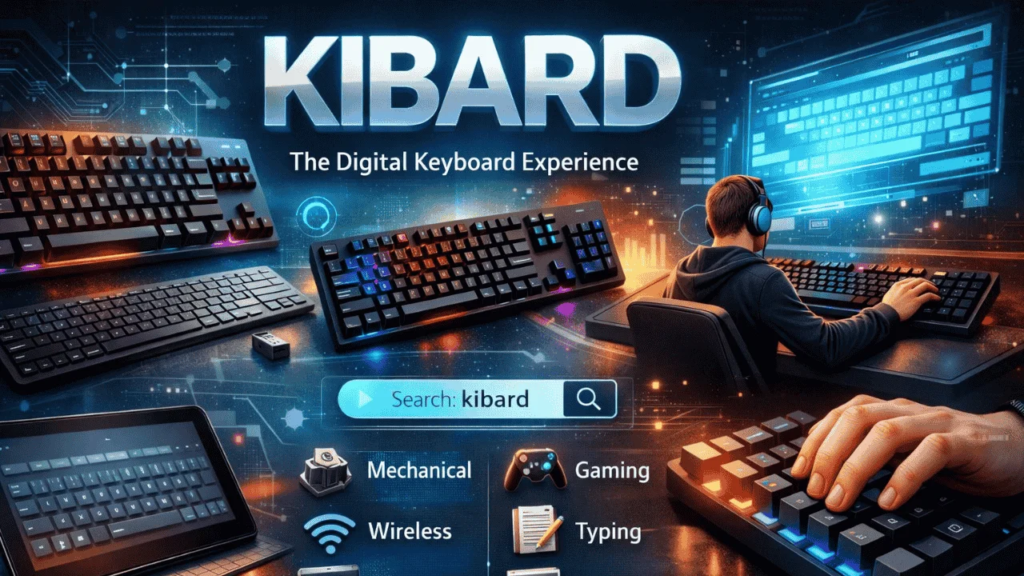
For example, when you type on a laptop, you are using a kibard. When you type on your smartphone screen, you are also using a form of kibard. This makes kibard a universal tool in modern technology.
Also read:Pravi Celer: A Complete Guide to True Celery, Nutrition, Uses, and Health Benefits
Unlike the traditional concept of a keyboard, kibard includes advanced features such as predictive text, voice input, and gesture typing. This makes it more flexible and adaptable to different devices and user needs.
Evolution of Kibard
The idea of kibard has evolved over time. Early typing devices were mechanical and limited in function. Over time, these devices became electronic and more efficient.
One major influence in this evolution is IBM, which helped develop early computer keyboards. Later, companies like Apple and Microsoft introduced new designs and digital typing systems.
Today, kibard includes advanced technologies such as touchscreens and voice recognition. This evolution shows how input devices have adapted to modern needs.
Types of Kibard
Kibard can be divided into different types based on how it is used.
Physical kibard is the most common type. It includes traditional keyboards used with desktop computers and laptops.
Virtual kibard appears on screens, such as on smartphones and tablets. It allows users to type by touching the screen.
Projection kibard uses light to project a keyboard onto a surface. Users can type by tapping the projected keys.
Voice-based kibard allows users to input text by speaking. This type is becoming more popular with smart assistants.
Each type of kibard offers unique benefits depending on the situation.
Key Features of Kibard
Kibard systems come with many useful features that improve user experience.
One important feature is speed. Modern kibard designs allow users to type quickly and efficiently.
Another feature is accuracy. Predictive text and auto-correct help reduce typing errors.
Customization is also a key feature. Users can change layouts, languages, and settings based on their needs.
Portability is another advantage. Virtual kibard systems make it easy to type on mobile devices anywhere.
These features make kibard an essential tool in everyday life.
Importance of Kibard in Daily Life
Kibard plays a major role in daily activities.
People use it to send messages, write emails, and create documents. Students use kibard for assignments and research.
Also read:TabooTube: A Complete Guide to the Underground Video Platform Changing Digital Storytelling
Professionals rely on kibard for communication and productivity. Without it, many digital tasks would be difficult or impossible.
Kibard also supports creativity. Writers, designers, and developers use it to bring their ideas to life.
This shows how important kibard is in both personal and professional settings.
Kibard and Smart Devices
Kibard is closely connected to modern smart devices.
Smartphones use virtual kibard systems for texting and browsing. Tablets also rely on touchscreen typing.
Devices like smart TVs and wearable technology are also starting to use kibard systems.
For example, operating systems like Android and iOS include built-in kibard features that make typing easier.
This integration shows how kibard is adapting to new technologies.
Advantages of Kibard
Kibard offers many advantages.
It improves communication by allowing fast and easy text input.
It increases productivity by making tasks quicker and more efficient.
It supports accessibility by offering features like voice input and customizable layouts.
It also enhances user experience by adapting to different devices and preferences.
These benefits make kibard a valuable tool for everyone.
Challenges and Limitations of Kibard
Despite its benefits, kibard also has some challenges.
Typing errors can still occur, especially on small screens.
Virtual kibard systems may be less comfortable for long typing sessions.
Security is another concern. Sensitive information entered through kibard can be at risk if devices are not protected.
Learning new kibard systems can also take time, especially for beginners.
Understanding these challenges helps users make better choices.
Kibard vs Traditional Keyboard
Kibard is more flexible than a traditional keyboard.
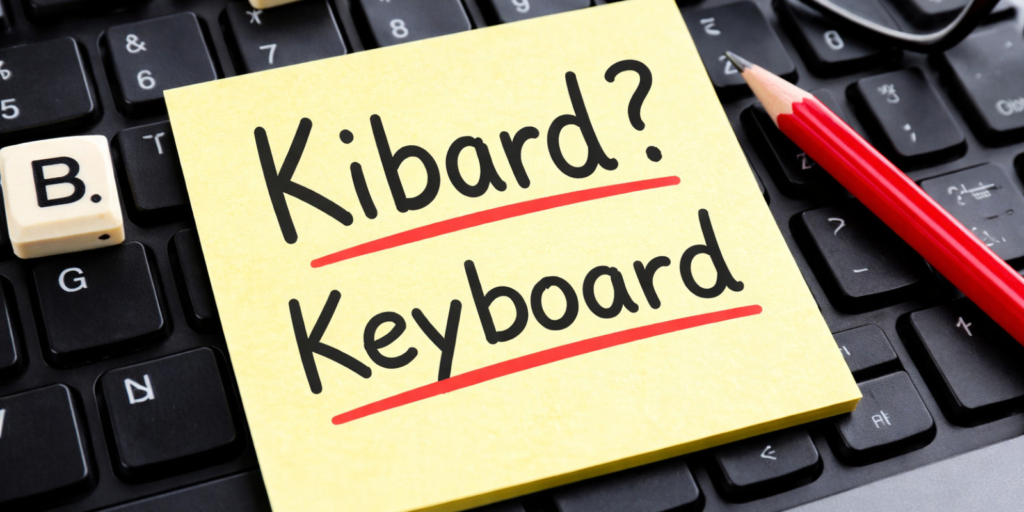
A traditional keyboard is a physical device with fixed keys. Kibard includes both physical and digital input methods.
Kibard also offers advanced features like voice typing and predictive text.
This makes kibard more suitable for modern devices and user needs.
However, traditional keyboards are still preferred for long typing tasks due to comfort and speed.
Future of Kibard
The future of kibard is very exciting.
Also read:Dojen Moe: A Complete Guide to Meaning, Culture, and Modern Impact
New technologies are making input systems smarter and more efficient.
Artificial intelligence is improving predictive text and voice recognition.
Gesture-based typing and brain-computer interfaces may become part of kibard in the future.
These advancements will make kibard even more powerful and user-friendly.
How to Choose the Right Kibard
Choosing the right kibard depends on your needs.
If you type a lot, a physical kibard may be best.
If you use mobile devices, a virtual kibard is more convenient.
For accessibility, voice-based kibard can be very helpful.
Consider factors like comfort, speed, and device compatibility when choosing a kibard.
Tips to Improve Kibard Skills
Improving your kibard skills can increase productivity.
Practice typing regularly to improve speed and accuracy.
Use tools and apps that help with typing practice.
Learn keyboard shortcuts to save time.
Adjust settings to match your preferences.
These simple tips can make a big difference.
Kibard and Digital Communication
Kibard is essential for digital communication.
It allows people to connect through emails, messages, and social media.
It also supports global communication by enabling multiple languages.
Without kibard, modern communication would not be possible.
Kibard in Education and Work
In education, kibard helps students complete assignments and research.
In the workplace, it supports tasks like writing reports, coding, and communication.
Many jobs require strong kibard skills, making it an important tool for success.
FAQs About Kibard
What is a kibard used for?
A kibard is used to input text, numbers, and commands into electronic devices.
Is kibard the same as a keyboard?
Not exactly. Kibard is a broader term that includes both physical and digital input systems.
Can kibard be used on smartphones?
Yes, smartphones use virtual kibard systems for typing.
What are the benefits of kibard?
Kibard improves communication, productivity, and accessibility.
Is voice typing part of kibard?
Yes, voice-based input is considered a type of kibard.
How can I improve my typing on kibard?
Practice regularly, use typing tools, and learn shortcuts.
Final Thoughts on Kibard
Kibard is an essential part of modern technology. It goes beyond the traditional keyboard and includes a wide range of input methods that make digital interaction easier and more efficient.
As technology continues to evolve, kibard will become even more important. It will adapt to new devices, improve user experience, and support better communication.
By understanding kibard and its features, users can make better use of their devices and stay prepared for the future of digital technology.