
Dojen moe is a growing concept in modern fan culture that blends creativity, emotion, and independent expression. At its core, dojen moe represents the meeting point between doujin culture and the emotional appeal known as moe. While both ideas have existed for years, their combination has created a unique cultural movement that continues to evolve across digital platforms and fan communities.
In simple terms, dojen moe refers to self-published or fan-made works that focus on creating strong emotional connections with characters, often emphasizing cuteness, innocence, or deep affection. These works are usually created by independent artists and writers who want the freedom to explore ideas outside mainstream restrictions.
Understanding dojen moe is important because it reflects how modern audiences interact with content. It shows how people are not just consumers anymore, but also creators who shape stories and emotional experiences in their own way.
Understanding the Meaning of Dojen Moe
To fully understand dojen moe, it helps to break it into two parts.
The first part comes from “doujin,” a term commonly associated with self-published works. These can include comics, novels, games, and illustrations created by fans or independent creators. Unlike mainstream content, doujin works are often produced without large companies, giving creators full control over their ideas.
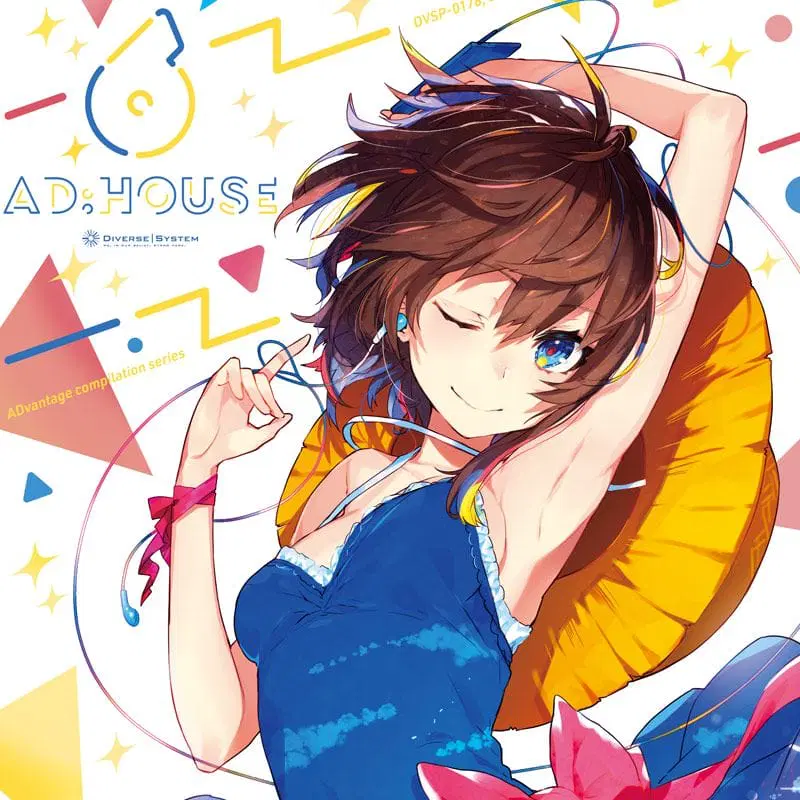
The second part, “moe,” refers to a feeling of strong affection toward characters. This emotional response is often linked to traits like innocence, kindness, or vulnerability. Moe is widely recognized in anime and manga culture, where certain characters are designed to evoke warmth and care from the audience.
Also read:Voozon: A Complete Guide to the Modern Digital Content Platform Shaping Online Information
When combined, dojen moe becomes a creative space where independent creators focus on building emotional bonds between characters and audiences. It is not just about storytelling, but about how those stories make people feel.
The Origins of Dojen Moe
The roots of dojen moe can be traced back to the rise of doujin culture in Japan. Events like Comiket played a major role in shaping this movement. At these gatherings, independent artists shared their work directly with fans, creating a strong sense of community.
At the same time, the concept of moe became more popular in anime and manga during the late 1990s and early 2000s. Shows featuring characters designed to evoke emotional attachment gained widespread attention.
Over time, these two trends naturally merged. Creators began to use the freedom of doujin works to explore moe-driven storytelling in more personal and experimental ways. This fusion gave birth to what we now call dojen moe.
Key Features of Dojen Moe
Dojen moe has several defining characteristics that set it apart from other forms of media.
One of the most important features is emotional storytelling. Instead of focusing only on action or plot, dojen moe works aim to create a deep emotional connection between the audience and the characters.
Another key feature is creative freedom. Because these works are self-published, creators are not limited by industry rules. They can explore unique ideas, niche themes, and personal styles.
Character design also plays a major role. Characters in dojen moe often have soft, expressive features that highlight their personality and emotional appeal.
Finally, community interaction is a big part of dojen moe. Fans often support creators directly, share feedback, and even contribute their own interpretations of characters and stories.
The Role of Anime and Manga in Dojen Moe
Dojen moe is closely linked to anime and manga culture. Many creators draw inspiration from popular works like Naruto, Attack on Titan, and My Hero Academia.
These mainstream titles often introduce characters with strong emotional appeal, which fans then reinterpret through doujin works. In dojen moe, these reinterpretations focus more on emotional depth, relationships, and personal moments rather than large-scale plots.
This connection helps dojen moe reach a wider audience, as fans of popular series are naturally drawn to creative expansions of the stories they love.
Why Dojen Moe Matters Today
Dojen moe is more than just a niche trend. It represents a shift in how content is created and consumed.
In the past, most media was controlled by large companies. Today, platforms like Pixiv and Twitter allow independent creators to share their work with a global audience.
This change has made it easier for dojen moe to grow. Creators can experiment with ideas, build fan communities, and even earn income from their work.
Dojen moe also reflects a deeper cultural trend. People are looking for more personal and emotional experiences in media. They want stories that feel meaningful and characters they can connect with.
The Psychology Behind Moe Appeal
One of the most interesting aspects of dojen moe is its psychological impact.
Also read:Yalla choy: A Complete Guide to This Nutritious Leafy Green and Its Growing Popularity
Moe works because it taps into natural human emotions. When people see a character who appears kind, innocent, or vulnerable, they often feel a desire to protect or care for that character.
This emotional response creates a strong bond between the audience and the story. In dojen moe, this bond is even stronger because the content often focuses on small, personal moments rather than large, complex plots.
This makes dojen moe especially powerful. It allows creators to connect with audiences on a deeper level, even with simple stories.
Creative Freedom in Dojen Moe
Creative freedom is one of the biggest advantages of dojen moe.
Unlike mainstream media, which often follows strict guidelines, dojen moe allows creators to explore any idea they want. This includes unique character relationships, alternative storylines, and experimental art styles.
This freedom leads to a wide variety of content. Some works focus on romance, while others explore friendship, personal growth, or everyday life.
Because of this diversity, dojen moe appeals to many different types of audiences. There is always something new and interesting to discover.
The Global Spread of Dojen Moe
Although dojen moe started in Japan, it has become a global phenomenon.
Fans from countries like the United States, South Korea, and China have embraced this style of content. Online communities allow creators from different cultures to share their work and learn from each other.
In the US, dojen moe has gained popularity among anime fans who appreciate independent creativity. Many artists use platforms like Instagram to showcase their work and connect with followers.
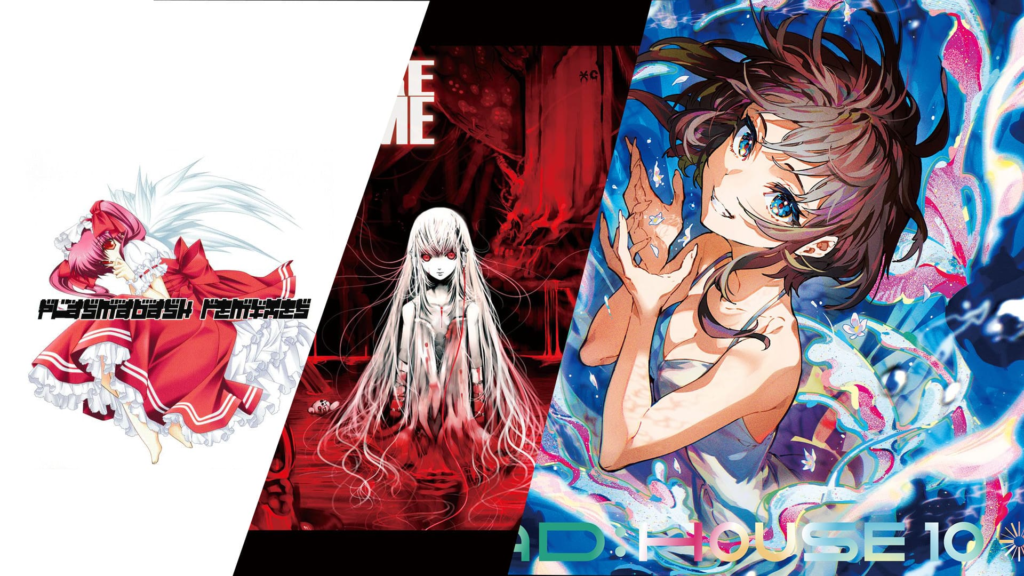
This global spread has helped dojen moe evolve. Different cultures bring new ideas and perspectives, making the movement even more diverse.
Dojen Moe vs Traditional Media
Dojen moe is very different from traditional media.
In traditional media, content is often created by large teams and designed to appeal to a broad audience. In dojen moe, content is usually created by individuals or small groups who focus on specific ideas or emotions.
This difference leads to more personal and unique storytelling. While traditional media may focus on large-scale success, dojen moe focuses on emotional connection and creative expression.
Both forms of media have their strengths, but dojen moe offers something that mainstream content often lacks: authenticity and intimacy.
Challenges in the Dojen Moe Space
Despite its many advantages, dojen moe also faces challenges.
One major issue is visibility. With so many creators sharing content online, it can be difficult for new artists to stand out.
Also read:Seekde: A Complete Guide to the Next-Generation AI Platform Transforming Search and Discovery
Another challenge is copyright concerns. Because many dojen moe works are based on existing characters, creators must be careful about how they use these elements.
There is also the issue of monetization. While some creators can earn money through commissions or sales, many struggle to turn their passion into a stable income.
The Future of Dojen Moe
The future of dojen moe looks promising.
As technology continues to improve, creators will have more tools to bring their ideas to life. Digital art software, online marketplaces, and social media platforms will continue to support this growth.
At the same time, audiences are becoming more interested in unique and personal content. This trend aligns perfectly with the core values of dojen moe.
In the coming years, we can expect to see even more innovation in this space, with new styles, formats, and storytelling techniques emerging.
How to Get Started with Dojen Moe
If you are interested in dojen moe, there are many ways to get involved.
You can start by exploring content on platforms like Pixiv and Instagram. Look for artists whose work resonates with you and follow their updates.
If you want to create your own dojen moe content, begin with simple ideas. Focus on characters and emotions rather than complex plots.
Practice regularly and share your work with others. Feedback from the community can help you improve and grow as a creator.
Tips for Creating High-Quality Dojen Moe Content
Creating successful dojen moe content requires a mix of creativity and understanding.
Focus on emotional storytelling. Think about how your characters feel and how you can express those emotions clearly.
Pay attention to character design. Small details like facial expressions and body language can make a big difference.
Keep your style consistent. This helps build your identity as a creator and makes your work more recognizable.
Engage with your audience. Respond to comments, ask for feedback, and build a community around your work.
FAQs About Dojen Moe
What makes dojen moe different from regular fan art?
Dojen moe focuses more on emotional storytelling and character connection, while regular fan art may simply recreate or reinterpret existing designs without deeper emotional themes.
Is dojen moe only related to anime?
No, although it is strongly connected to anime and manga, dojen moe can apply to any type of character-driven content that emphasizes emotional appeal.
Can beginners create dojen moe content?
Yes, dojen moe is open to everyone. You do not need professional skills to start. Many creators begin as hobbyists and improve over time.
Is dojen moe popular in the United States?
Yes, it is growing in popularity, especially among anime fans and independent artists who value creative freedom.
How can I support dojen moe creators?
You can support them by following their work, sharing it with others, and purchasing their content if available.
Does dojen moe have a specific art style?
Not necessarily. While many works share similar themes, the art style can vary widely depending on the creator.
Final Thoughts on Dojen Moe
Dojen moe is a powerful example of how creativity and emotion can come together to create something meaningful. It shows that great content does not always need large budgets or big studios. Sometimes, the most impactful stories come from individuals who simply want to share their ideas and connect with others.
As the digital world continues to grow, dojen moe will likely become even more important. It represents a new way of thinking about media, where anyone can be a creator and every story has the potential to touch someone’s heart.
By understanding and appreciating dojen moe, we gain insight into the future of storytelling and the endless possibilities of human creativity.