
Starting your own skincare brand is one of the most exciting and profitable business ideas today. With the beauty industry growing rapidly and consumers becoming more conscious about what they apply to their skin, there has never been a better time to learn how to start a skincare business.
This guide is designed to be simple, practical, and easy to understand. Whether you want to create products at home or launch a full brand, you will find everything you need here. It also follows modern SEO practices and the principles of expertise, authority, and trust so your knowledge is solid and reliable.
Why Start a Skincare Business in 2026
The skincare market is growing faster than ever. People now care more about ingredients, routines, and long-term skin health. This creates strong demand for new brands, especially small and unique ones.
There are several reasons why this business is attractive:
The barrier to entry is lower than before. You can start small from home without a big investment.
Customers prefer niche brands. Many buyers trust small businesses that focus on natural, organic, or targeted skincare.
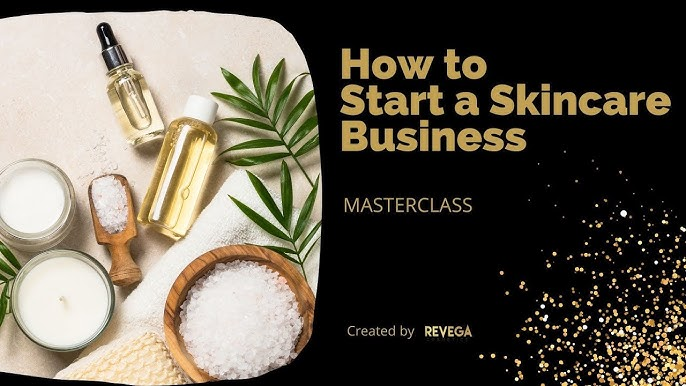
Online selling is easier. Platforms like Shopify, Etsy, and Amazon allow you to reach customers worldwide.
Recurring demand is high. Skincare products are used daily, which means repeat customers.
Also read:Bodenxt: A Complete Guide to the Green Transition Platform Transforming Modern Cities
If you are wondering how to start a skincare business, the opportunity is real, but success requires planning and smart decisions.
Step 1: Choose Your Skincare Niche
One of the biggest mistakes beginners make is trying to sell everything. Instead, focus on a specific niche.
A niche helps you stand out and attract the right audience.
Popular skincare niches include:
Acne treatment products
Anti-aging skincare
Natural and organic skincare
Sensitive skin solutions
Men’s skincare
Vegan and cruelty-free products
Hyperpigmentation and dark spots
For example, instead of selling general face creams, you can focus on natural skincare for acne-prone skin.
This makes your brand clearer and easier to market.
Step 2: Understand Your Target Audience
Knowing your audience is critical when learning how to start a skincare business.
Ask yourself:
Who are you selling to
What are their skin problems
What is their age group
What is their budget
Where do they shop online
For example, if your audience is women aged 25 to 40, they may care more about anti-aging and premium products.
If your audience is teenagers, they may prefer affordable acne solutions.
Understanding your audience helps you create better products and marketing.
Step 3: Decide Your Business Model
There are different ways to start a skincare business. Choose the one that fits your budget and skills.
Handmade Skincare
You create products yourself at home.
Best for beginners
Low startup cost
Full control over ingredients
Private Label
You buy ready-made products from a manufacturer and sell them under your brand.
Faster to launch
No need for formulation knowledge
Higher upfront cost
Custom Formulation
You work with a chemist to create unique products.
Also read:Gastroshiza: A Complete, Easy-to-Understand Guide for Parents and Caregivers
Best for long-term brands
High cost
Strong brand identity
If you are just starting, handmade or private label is usually the easiest option.
Step 4: Learn About Ingredients and Formulation
Even if you are not making products yourself, you must understand skincare ingredients.
Customers today are educated and ask questions.
Learn about:
Active ingredients like retinol, vitamin C, and niacinamide
Natural ingredients like aloe vera, shea butter, and oils
Preservatives and shelf life
Skin types and reactions
If you want to start a natural skincare business, this step becomes even more important.
You should also understand safety rules to avoid harmful formulations.
Step 5: Create Your Product Line
Start simple. Do not launch too many products at once.
A good beginner product line includes:
Cleanser
Moisturizer
Serum
Face oil
Focus on quality, not quantity.
Test your products carefully before selling. Try them yourself and ask friends or small groups for feedback.
Step 6: Understand Legal Requirements
Many people ignore this step, but it is very important when learning how to start a skincare business.
In the United States, skincare products are regulated.
You need to:
Follow FDA guidelines
Use safe ingredients
Label products correctly
Avoid false claims
For example, you cannot claim your product cures a disease unless approved.
Also consider:
Registering your business
Getting liability insurance
Following packaging and labeling laws
This builds trust and protects your business.
Step 7: Calculate Startup Costs
A common question is how much does it cost to start a skincare business.
The answer depends on your business model.
Here is a rough estimate:
Homemade skincare business: $500 to $2,000
Private label business: $2,000 to $10,000
Custom brand: $10,000 to $50,000+
Costs include:
Ingredients or products
Packaging
Branding and logo
Website
Marketing
Legal and testing
If you are wondering how much do you need to start a skincare business, starting small is always better.
You can grow as your sales increase.
Step 8: Build Your Brand Identity
Your brand is more than your logo. It is how people feel about your products.
Choose:
A brand name
Color theme
Packaging style
Brand voice
Make sure your brand looks professional and consistent.
For example, a natural skincare brand should use earthy colors and simple packaging.
A luxury brand should look clean and elegant.
Step 9: Create a Website and Online Store
To succeed in 2026, you must sell online.
Your website should include:
Homepage
Product pages
About page
Contact page
Policies (shipping, returns, privacy)
Use platforms like Shopify or WooCommerce.
Make sure your site is:
Easy to navigate
Mobile-friendly
Fast loading
Your product pages should clearly explain benefits, ingredients, and usage.
Step 10: Marketing Your Skincare Business
Marketing is the most important part of how to start a skincare business.
Also read:Ciulioneros: The Cultural Movement Blending Creativity, Tradition, and Community
Even the best products will not sell without visibility.
Social Media Marketing
Use platforms like Instagram, TikTok, and Pinterest.
Post:
Skincare tips
Before and after results
Product demonstrations
Customer reviews
Content Marketing
Write blog posts targeting keywords like:
how to start a skincare business
best skincare routine
how to treat acne naturally
This helps your website rank on Google.
Influencer Marketing
Work with small influencers in your niche.
They can promote your products to their audience.
Email Marketing
Build an email list and send:
Offers
Tips
New product launches
Step 11: Focus on Customer Trust and EAT
To succeed long-term, you must build trust.
This follows the principles of expertise, authority, and trust.
You can do this by:
Sharing real knowledge
Being transparent about ingredients
Showing customer reviews
Providing clear information
Avoid making false promises.
Trust is more important than quick sales.
Step 12: Start Small and Scale Gradually
Do not try to be perfect from the start.
Launch with a few products.
Learn from customer feedback.
Improve your products and marketing over time.
Scaling slowly helps you avoid big losses.
How to Start a Skincare Business from Home
Starting from home is one of the easiest ways to begin.
You need:
A clean workspace
Basic tools and equipment
Proper storage
Labeling materials
Follow hygiene rules strictly.
Even small home-based brands can grow into big businesses if done correctly.
How to Start a Natural Skincare Business
Natural skincare is very popular.
To succeed in this niche:
Use plant-based ingredients
Avoid harmful chemicals
Be honest about your claims
Use eco-friendly packaging
Customers in this niche value transparency.
Make sure your branding reflects your values.
Common Mistakes to Avoid
Many beginners fail because of simple mistakes.
Avoid these:
Starting without research
Ignoring legal requirements
Using low-quality ingredients
Overpricing or underpricing
Not marketing enough
Copying other brands
Learning from mistakes early can save you time and money.
Future Trends in Skincare Business
To stay ahead, follow industry trends.
Some growing trends include:
Clean beauty
Personalized skincare
Sustainable packaging
Minimalist routines
Science-based skincare
Adapting to trends helps your brand stay relevant.
Final Thoughts
Learning how to start a skincare business is not difficult, but it does require patience, proper planning, and consistent effort. Instead of trying to do everything at once, it is important to focus on the key areas that truly matter, such as choosing the right niche, understanding your target audience, creating high-quality and safe products, building trust with your customers, and marketing your brand regularly. When you take a simple and focused approach, you reduce mistakes and improve your chances of success. Starting small allows you to learn and grow without taking big risks, while staying consistent helps you build momentum over time. As you continue to improve and adapt, your skincare business can develop into a strong, trusted, and profitable brand in the long run.
FAQs About How to Start a Skincare Business
Do I need a license to start a skincare business?
Yes, in most cases you need to register your business and follow local regulations. Requirements depend on your location and business model.
Can I start a skincare business with no experience?
Yes, but you need to learn about ingredients, safety, and marketing. Start simple and improve over time.
How long does it take to start a skincare business?
You can start in a few weeks if you use private label products. Custom formulations may take several months.
Is the skincare business profitable?
Yes, it can be very profitable if you build a strong brand and loyal customer base.
How do I price my skincare products?
Calculate your costs, then add a profit margin. Also check competitor pricing to stay competitive.
Do I need a chemist to create skincare products?
Not always. You can start with simple formulations, but working with a chemist is recommended for advanced products.