
gastroshiza is a rare but serious condition that affects babies before they are born. It happens during pregnancy when the baby’s abdominal wall does not form properly. Because of this, the intestines come out of the baby’s body through a small opening near the belly button.
Many parents feel worried when they hear about gastroshiza. That is normal. The good news is that modern medical care has improved a lot. Today, many babies born with gastroshiza can survive and live healthy lives with the right treatment.
This article explains gastroshiza in a simple and clear way. It is written for parents, families, and anyone who wants to understand this condition better. You will learn what causes it, how it is diagnosed, and what treatment options are available.
What is gastroshiza
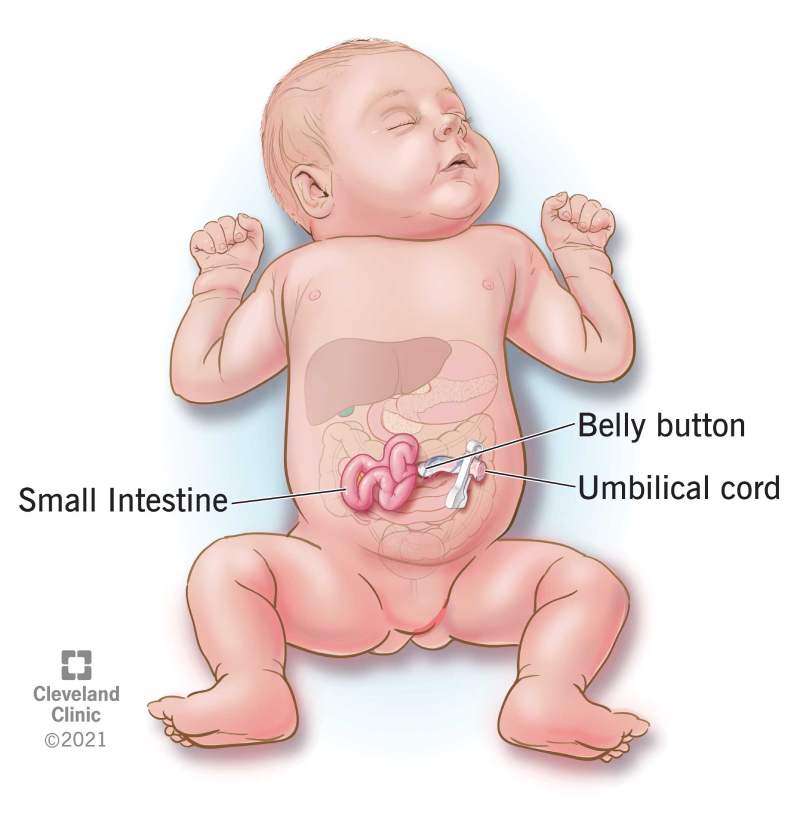
gastroshiza is a birth defect that affects the abdominal wall. Normally, a baby’s organs stay inside the body. In gastroshiza, there is a small hole, usually to the right of the belly button. Through this hole, the intestines come outside the body.
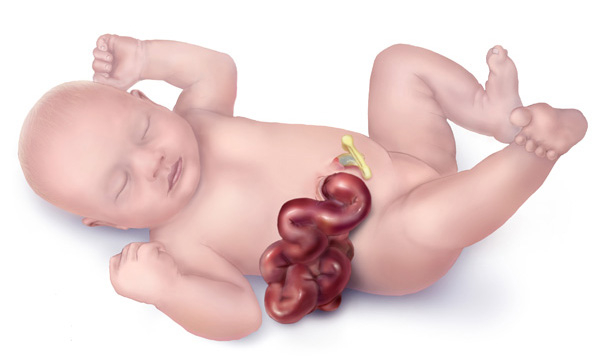
Unlike some other conditions, the exposed organs are not covered by a protective sac. This makes gastroshiza different and more sensitive to the surrounding environment.
Also read:Primerem: A Complete Guide to Smart Automation, Productivity, and Modern Workflows
Because the intestines are outside the body, they can become irritated by the fluid in the womb. This can cause swelling and problems after birth.
How gastroshiza develops during pregnancy
To understand gastroshiza, it helps to know how a baby grows in the womb.
In early pregnancy, the baby’s intestines grow quickly. For a short time, they move outside the body and then return inside as the abdominal wall closes.
In babies with gastroshiza, this process does not happen correctly. The abdominal wall does not close fully, leaving a hole. As a result, the intestines remain outside the body.
Doctors are still studying why this happens, but it is linked to changes during early fetal development.
Causes and risk factors of gastroshiza
The exact cause of gastroshiza is not fully known. However, researchers have found some risk factors.
Young maternal age is one of the strongest risk factors. Teen mothers are more likely to have babies with gastroshiza.
Other possible factors include:
- Smoking during pregnancy
- Alcohol or drug use
- Poor nutrition
- Exposure to certain chemicals
- Low body weight before pregnancy
It is important to understand that gastroshiza can happen even if a mother does everything right. In many cases, there is no clear reason.
Symptoms and signs of gastroshiza
gastroshiza is usually detected before the baby is born. However, understanding its signs can help parents prepare.
Before birth, doctors may notice:
- High levels of certain proteins in blood tests
- Unusual ultrasound images
After birth, the signs are clear:
- Intestines are visible outside the baby’s body
- The opening is usually small and near the belly button
- The exposed organs may look swollen
Because the intestines are outside the body, immediate medical care is required.
How gastroshiza is diagnosed
gastroshiza is often diagnosed during pregnancy through routine tests.
Ultrasound
Ultrasound is the main tool used to detect gastroshiza. Doctors can see the baby’s organs outside the body.
Blood tests
A blood test called AFP (alpha-fetoprotein) may show higher levels than normal. This can be a sign of gastroshiza or other conditions.
Monitoring during pregnancy
Once gastroshiza is diagnosed, doctors monitor the baby closely. They check growth, fluid levels, and the condition of the intestines.
Early diagnosis helps doctors plan the best care for the baby.
Differences between gastroshiza and similar conditions
Many people confuse gastroshiza with another condition called omphalocele.
Here is a simple comparison:
gastroshiza:
- Intestines are outside the body
- No protective sac
- Opening is usually small
Omphalocele:
- Organs are outside but covered by a sac
- Opening is larger
- Often linked with other birth defects
Understanding this difference is important for proper treatment and care.
Treatment options for gastroshiza
Treatment for gastroshiza begins right after birth. The main goal is to place the intestines back inside the baby’s body and close the opening.
Immediate care after birth
Doctors take quick steps to protect the baby:
- Cover the exposed intestines with a sterile material
- Prevent infection
- Keep the baby warm and stable
Surgery
Surgery is required to fix gastroshiza. There are two main types:
Primary repair:
If the intestines are not too swollen, doctors place them back inside the body and close the hole in one surgery.

Staged repair:
If the intestines are very swollen, doctors use a special bag called a silo. The intestines are slowly placed back into the body over several days before closing the opening.
Also read:Newtopy: A Modern Vision for Society, Innovation, and the Future
Hospital care
Babies with gastroshiza often stay in the hospital for several weeks. They may need:
- Breathing support
- IV nutrition
- Careful monitoring
Recovery and long-term outlook
The outlook for babies with gastroshiza has improved greatly over the years.
Most babies recover well with proper treatment. However, recovery can take time.
Short-term challenges
- Feeding difficulties
- Slow weight gain
- Infection risks
Long-term outcomes
Many children grow up healthy and active. Some may have:
- Digestive issues
- Sensitivity to certain foods
Regular follow-up with doctors helps manage these challenges.
Living with gastroshiza: A parent’s perspective
Having a baby with gastroshiza can be emotional and stressful. Parents often feel fear, confusion, and worry.
It is important to remember:
- You are not alone
- Medical teams are experienced in treating this condition
- Support groups can help
Parents play a key role in their baby’s recovery. Providing love, care, and patience makes a big difference.
Prevention and awareness of gastroshiza
There is no guaranteed way to prevent gastroshiza. However, some steps may reduce risk:
- Avoid smoking and alcohol during pregnancy
- Maintain a healthy diet
- Attend regular prenatal checkups
- Follow medical advice
Raising awareness about gastroshiza helps more families get early diagnosis and treatment.
Advances in medical care for gastroshiza
Medical science continues to improve the treatment of gastroshiza.
New advances include:
- Better surgical techniques
- Improved neonatal care
- Advanced imaging tools
- Nutritional support for faster recovery
These improvements have increased survival rates and quality of life for affected babies.
Expert insights on gastroshiza
From a broader perspective, gastroshiza shows how important early detection and specialized care are in modern medicine.
Also read:Finnorth: A Complete Guide to Discovering Hidden Attractions, Culture, and Unique Experiences
One key insight is that timing matters. Early diagnosis allows doctors to plan delivery in a hospital with the right facilities.
Another important point is teamwork. Successful treatment involves:
- Obstetricians
- Pediatric surgeons
- Neonatal nurses
- Nutrition specialists
This team approach improves outcomes and supports families throughout the journey.
Emotional and psychological impact
gastroshiza does not only affect the baby. It also impacts the entire family.
Parents may experience:
- Anxiety
- Stress
- Feelings of uncertainty
Support is essential. Talking to healthcare providers and other parents can help reduce fear and build confidence.
Costs and healthcare considerations in the US
For families in the United States, medical care for gastroshiza can be expensive.
Costs may include:
- Prenatal care
- Surgery
- Hospital stay
- Follow-up visits
Health insurance often covers a large part of these expenses. It is important to discuss coverage and financial options with healthcare providers.
When to seek medical advice
If you are pregnant and notice any unusual symptoms, contact your doctor. Regular checkups are the best way to detect conditions like gastroshiza early.
After birth, immediate medical care is required if gastroshiza is present. Quick action can save the baby’s life.
FAQs about gastroshiza
Can gastroshiza be detected in early pregnancy?
Yes, it can often be detected during the second trimester through ultrasound.
Is gastroshiza genetic?
Most cases are not linked to genetics. It usually happens randomly.
Can a baby with gastroshiza eat normally later in life?
Many children can eat normally, but some may have mild digestive issues.
Does gastroshiza affect brain development?
In most cases, it does not affect brain development.
Can gastroshiza happen again in future pregnancies?
The risk is low, but it is slightly higher compared to the general population.
Is normal delivery possible with gastroshiza?
In many cases, doctors recommend a planned delivery in a specialized hospital.
Conclusion
gastroshiza is a serious condition, but it is treatable. With early diagnosis, proper medical care, and strong support, many babies grow up to live healthy lives.
Understanding gastroshiza helps parents feel more prepared and confident. While the journey may be challenging, modern medicine offers hope and effective solutions.
By staying informed and working closely with healthcare providers, families can navigate this condition with strength and optimism.