
Artificial intelligence is changing the world faster than ever before. From healthcare and finance to education and business operations, AI-powered systems are helping companies improve efficiency, reduce costs, and deliver better services. One of the most talked-about concepts in this growing digital revolution is asiaks.
Asiaks refers to advanced AI systems designed to improve decision-making, automate tasks, analyze massive amounts of data, and create smarter digital experiences. While many people are still learning about artificial intelligence, asiaks are already becoming an important part of modern industries across the United States and worldwide.
Businesses now rely on asiaks to predict customer behavior, improve healthcare treatments, detect fraud in financial systems, and personalize online learning experiences. These advanced systems combine machine learning, data analytics, automation, and intelligent algorithms to create solutions that were impossible only a few years ago.
The growing popularity of asiaks comes from their ability to solve complex problems quickly and accurately. Unlike traditional software programs, asiaks can learn from data, improve over time, and adapt to changing situations. This makes them more flexible and powerful than many older technologies.
In this detailed guide, you will learn everything about asiaks, including their meaning, how they work, their benefits, real-world uses, future trends, ethical challenges, and why they are becoming essential in today’s digital economy.
What Are Asiaks?
Asiaks are advanced artificial intelligence systems designed to perform intelligent tasks that normally require human thinking. These systems can process large amounts of information, identify patterns, make predictions, and automate complicated workflows.
Unlike basic AI tools, asiaks focus on deeper learning, adaptive behavior, and real-time decision-making. They are often powered by advanced technologies such as:
- Machine learning
- Deep learning
- Natural language processing
- Predictive analytics
- Neural networks
- Automation systems
- Big data analysis
The purpose of asiaks is not only to automate tasks but also to improve the quality and speed of decisions. Businesses use them to gain insights from data, improve customer experiences, and increase productivity.

For example, an online store using asiaks can recommend products based on customer preferences, shopping history, and browsing patterns. A hospital can use asiaks to help doctors identify diseases earlier and recommend personalized treatments.
Also read:Ovppyo: The Complete Guide to the AI-Powered Digital Communication Revolution in 2026
The flexibility of asiaks makes them useful across almost every major industry.
The Evolution of Asiaks
The development of asiaks did not happen overnight. These systems evolved from decades of research in computer science and artificial intelligence.
Early Computing Era
In the early days of computing, machines could only follow simple instructions. They lacked the ability to learn or adapt.
Rise of Machine Learning
As technology improved, researchers developed machine learning systems capable of analyzing data and improving performance over time.
Big Data Revolution
The growth of the internet created enormous amounts of digital data. This data became the fuel that allowed asiaks to learn more effectively.
Deep Learning Advancements
Deep learning technologies helped asiaks recognize images, understand speech, and process human language more accurately.
Modern Asiaks
Today’s asiaks are highly advanced systems capable of handling complex tasks across healthcare, finance, education, logistics, and customer service.
The evolution of asiaks continues as computing power grows and AI models become more sophisticated.
How Asiaks Work
Understanding how asiaks work helps explain why they are so powerful.
Data Collection
Asiaks begin by gathering information from multiple sources such as:
- Customer interactions
- Medical records
- Financial transactions
- Sensors
- Online behavior
- Social media
- Business databases
The more quality data asiaks receive, the better they can perform.
Data Processing
The system organizes and cleans the collected data. This step removes errors and prepares the information for analysis.
Pattern Recognition
Using machine learning algorithms, asiaks identify hidden patterns and relationships within the data.
Learning and Improvement
Asiaks continuously improve by learning from new information and past outcomes.
Decision-Making
After analyzing the data, asiaks can:
- Make recommendations
- Predict future events
- Detect problems
- Automate actions
- Provide insights
This process often happens in real time.
Major Features of Asiaks
Several features make asiaks different from traditional software systems.
Intelligent Automation
Asiaks can automate repetitive and time-consuming tasks without constant human supervision.
Predictive Analytics
These systems can forecast future outcomes based on historical data.
Real-Time Processing
Many asiaks operate instantly, helping businesses respond quickly to changing conditions.
Adaptive Learning
Asiaks improve performance over time through continuous learning.
Natural Language Understanding
Some asiaks can understand and respond to human language naturally.
Scalability
Asiaks can handle large volumes of data and users efficiently.
Benefits of Asiaks
The rise of asiaks offers many advantages for organizations and individuals.
Increased Efficiency
Asiaks automate repetitive tasks, reducing manual work and saving time.
Employees can focus on more creative and strategic responsibilities.
Better Decision-Making
By analyzing large amounts of data quickly, asiaks help organizations make smarter decisions.
Improved Accuracy
AI-powered systems reduce human error in many processes.
This is especially important in healthcare and finance.
Cost Reduction
Automation and efficiency improvements help businesses lower operational costs.
Enhanced Customer Experience
Asiaks provide personalized recommendations and faster customer support.
Faster Innovation
Companies using asiaks can develop new products and services more rapidly.
Competitive Advantage
Organizations adopting advanced AI technologies often gain an advantage over competitors.
Asiaks in Healthcare
Healthcare is one of the most important industries benefiting from asiaks.
Early Disease Detection
Asiaks can analyze medical images and patient records to identify diseases earlier.
This improves treatment success rates.
Personalized Medicine
AI systems help doctors create customized treatment plans for individual patients.
Medical Research
Researchers use asiaks to analyze massive medical datasets and discover new treatments.
Virtual Health Assistants
AI-powered assistants help patients schedule appointments, receive reminders, and access health information.
Hospital Management
Hospitals use asiaks to optimize staffing, manage resources, and improve patient care.
Asiaks in Finance
Financial institutions use asiaks to improve security, efficiency, and customer service.
Fraud Detection
AI systems identify suspicious transactions in real time.
This helps prevent financial crimes.
Investment Analysis
Asiaks analyze market trends and economic data to support investment decisions.
Credit Scoring
Banks use AI to evaluate loan applications more accurately.
Customer Support
Chatbots and virtual assistants provide fast financial assistance to customers.
Risk Management
Financial companies use asiaks to predict risks and improve compliance.
Asiaks in Education
Education is becoming smarter and more personalized through asiaks.
Personalized Learning
AI systems adapt lessons based on student performance and learning styles.
Automated Grading
Teachers save time through AI-powered grading tools.
Virtual Tutors
Students can access instant support through AI tutoring systems.
Learning Analytics
Schools use asiaks to identify students who may need additional support.
Language Learning
AI-powered platforms improve language learning experiences through interactive conversations and feedback.
Asiaks in Business Operations
Businesses across the United States are increasingly adopting asiaks to improve operations.
Customer Service Automation
AI chatbots provide 24/7 customer support.
Supply Chain Optimization
Asiaks predict demand and improve inventory management.
Marketing Personalization
Businesses deliver targeted advertisements and recommendations based on customer behavior.
Also read:TheHRWP: A Complete Guide to Modern HR Management for Businesses in 2026
Human Resources
AI helps companies screen resumes and identify qualified candidates.
Data Analysis
Organizations use asiaks to gain valuable business insights from large datasets.
Asiaks and Cybersecurity
Cybersecurity threats continue to grow, making asiaks increasingly important.
Threat Detection
AI systems identify unusual network activity that may indicate cyberattacks.
Real-Time Monitoring
Asiaks continuously monitor systems for security risks.
Automated Responses
Some AI systems can respond to threats automatically before serious damage occurs.
Password Protection
AI improves identity verification and authentication systems.
Fraud Prevention
Financial and e-commerce platforms use asiaks to stop fraudulent activity.
Ethical Challenges of Asiaks
Although asiaks offer many benefits, they also raise important ethical concerns.
Privacy Concerns
Asiaks often require large amounts of personal data.
Protecting user privacy is critical.
Bias and Fairness
AI systems may reflect biases present in training data.
This can lead to unfair decisions.
Job Displacement
Automation may replace certain jobs in some industries.
However, new opportunities may also emerge.
Transparency Issues
Some AI systems operate like “black boxes,” making their decisions difficult to understand.
Security Risks
Hackers may target advanced AI systems.
Strong cybersecurity measures are necessary.
Responsible AI Development
Organizations must develop asiaks responsibly to ensure fairness, transparency, and accountability.
Future Trends in Asiaks
The future of asiaks looks extremely promising.
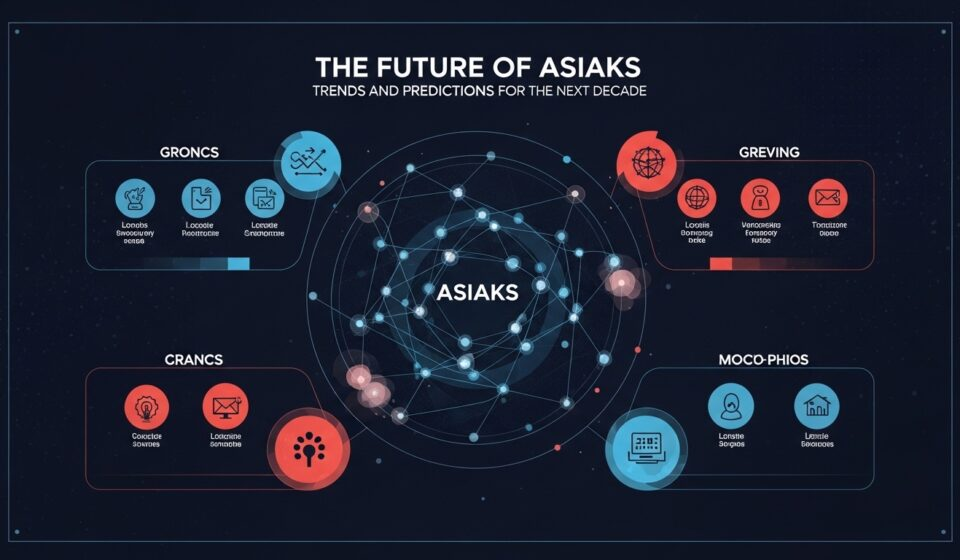
More Human-Like AI
Future systems may communicate more naturally and understand emotions better.
Smarter Automation
Businesses will automate increasingly complex processes.
AI in Everyday Life
Asiaks will become more integrated into homes, vehicles, and wearable devices.
Advanced Robotics
AI-powered robots may perform more tasks in healthcare, manufacturing, and logistics.
Better Healthcare Solutions
Future asiaks may help discover cures and improve medical outcomes.
Stronger AI Regulations
Governments may introduce clearer rules for ethical AI use.
Asiaks and the American Economy
The United States is one of the largest adopters of advanced AI systems.
Asiaks are helping American companies:
- Improve productivity
- Reduce costs
- Increase innovation
- Create new business models
- Strengthen global competitiveness
Major industries including healthcare, technology, finance, retail, and manufacturing are investing heavily in AI technologies.
The demand for AI professionals is also growing rapidly across the country.
Why Businesses Are Investing in Asiaks
Businesses invest in asiaks because they provide measurable results.
Faster Growth
Companies can scale operations more efficiently.
Better Customer Insights
AI helps businesses understand customer preferences more deeply.
Reduced Operational Costs
Automation lowers labor-intensive processes.
Improved Innovation
Organizations can test ideas and develop products faster.
Competitive Survival
Businesses that fail to adopt AI may struggle against more advanced competitors.
Common Misconceptions About Asiaks
Many misconceptions exist about asiaks.
Asiaks Will Replace All Humans
AI will automate some jobs, but human creativity, emotional intelligence, and leadership remain essential.
Asiaks Are Always Accurate
AI systems can make mistakes if trained on poor-quality data.
Only Large Companies Can Use Asiaks
Small businesses can also benefit from affordable AI tools.
Asiaks Are Dangerous by Nature
The risk depends on how organizations design and use AI systems.
AI Does Not Need Human Oversight
Human supervision remains important for ethical and accurate outcomes.
How to Start Using Asiaks
Businesses interested in adopting asiaks should follow a strategic approach.
Identify Business Goals
Determine what problems AI should solve.
Collect Quality Data
Strong data improves AI performance.
Choose the Right Tools
Select AI platforms that match organizational needs.
Train Employees
Staff should understand how to work with AI systems effectively.
Start Small
Pilot projects help organizations test AI solutions before large-scale implementation.
Monitor Performance
Businesses should continuously evaluate AI results and make improvements.
Asiaks vs Traditional Software
Traditional software follows fixed rules.
Asiaks can learn, adapt, and improve over time.
Traditional Software
- Rule-based
- Limited flexibility
- Requires manual updates
- Predictable outputs
Asiaks
- Data-driven learning
- Adaptive behavior
- Continuous improvement
- Intelligent decision-making
This flexibility makes asiaks more powerful for handling complex and changing environments.
The Role of Data in Asiaks
Data is the foundation of every AI system.
Without quality data, asiaks cannot function effectively.
Structured Data
Examples include spreadsheets and databases.
Unstructured Data
Examples include images, videos, emails, and social media posts.
Real-Time Data
Some asiaks process information instantly as events happen.
Data Security
Organizations must protect sensitive information carefully.
Industries Most Impacted by Asiaks
Several industries are experiencing major transformations through asiaks.
Also read:Çbiri: Meaning, Digital Identity, Online Culture, and Why People Are Talking About It
Healthcare
Improved diagnostics and patient care.
Finance
Fraud prevention and investment analysis.
Retail
Personalized shopping experiences.
Manufacturing
Smart automation and predictive maintenance.
Transportation
Autonomous vehicles and route optimization.
Education
Customized learning experiences.
Entertainment
Content recommendations and AI-generated media.
Agriculture
Smart farming and crop monitoring.
Challenges Facing Asiaks
Despite rapid growth, asiaks still face several challenges.
High Development Costs
Building advanced AI systems can be expensive.
Data Limitations
Poor-quality or limited data affects performance.
Ethical Regulations
Governments are still developing AI laws and standards.
Public Trust
Some people remain skeptical about AI technologies.
Technical Complexity
Implementing asiaks requires specialized expertise.
Human and AI Collaboration
The future is likely to involve collaboration between humans and asiaks rather than complete replacement.
Humans bring creativity, empathy, and ethical judgment.
Asiaks provide speed, data analysis, and automation.
Together, they can create stronger and more efficient systems.
This partnership will shape the future workplace.
Expert Insights on Asiaks
Industry experts believe asiaks will continue transforming nearly every sector of society.
Some analysts predict AI could contribute trillions of dollars to the global economy over the next decade.
Others emphasize the importance of ethical AI governance.
The most successful organizations will likely be those that balance innovation with responsibility.
Final Thoughts on Asiaks
Asiaks represent a major advancement in artificial intelligence and digital transformation. These advanced systems are reshaping healthcare, finance, education, cybersecurity, business operations, and many other industries.
The growing adoption of asiaks reflects the increasing need for smarter automation, better decision-making, and personalized digital experiences. Businesses and organizations that embrace these technologies can improve efficiency, reduce costs, and gain valuable competitive advantages.
At the same time, ethical concerns such as privacy, fairness, transparency, and job displacement must be addressed carefully. Responsible AI development will play a key role in shaping the future of asiaks.
As technology continues evolving, asiaks will likely become even more intelligent, accessible, and integrated into everyday life. Understanding how these systems work and their impact on society is becoming increasingly important for businesses, professionals, students, and consumers alike.
The future of asiaks is not only about machines becoming smarter. It is about creating a world where humans and advanced AI systems work together to solve problems, improve industries, and build better experiences for everyone.
Frequently Asked Questions About Asiaks
What does asiaks mean?
Asiaks refers to advanced AI systems that use machine learning, automation, and data analysis to perform intelligent tasks and improve decision-making.
How are asiaks different from traditional AI?
Asiaks focus more on adaptive learning, real-time processing, and advanced automation compared to simpler AI systems.
Which industries use asiaks the most?
Healthcare, finance, education, retail, manufacturing, and cybersecurity are among the top industries using asiaks.
Are asiaks safe to use?
Asiaks can be safe when organizations use strong security measures, ethical guidelines, and proper oversight.
Can small businesses benefit from asiaks?
Yes. Many affordable AI tools allow small businesses to improve customer service, marketing, and operations.
Do asiaks replace human workers?
Asiaks automate some tasks, but humans still play important roles in creativity, leadership, and ethical decision-making.