
The word “assimilasjon” is widely used in sociology, linguistics, psychology, culture, and migration studies. In simple terms, assimilasjon means the process in which a person, group, sound, or culture becomes similar to another group or system over time.
The concept of assimilasjon is important because it explains how people adapt when they move to a new country, join a new society, learn a new language, or interact with different cultural groups. It is also used in language studies to explain how sounds change to become easier to pronounce.
Today, assimilasjon is a global topic connected with immigration, globalization, identity, education, communication, and multicultural societies. Many countries, especially the United States, Canada, the United Kingdom, Germany, and Scandinavian nations, discuss assimilasjon when talking about integration, diversity, and social harmony.
This article explains assimilasjon in a very easy way. You will learn its meaning, history, examples, benefits, challenges, linguistic role, cultural effects, and modern relevance. The article also includes practical insights, expert analysis, and FAQs to provide deeper value than most online sources.
What Does Assimilasjon Mean?
Assimilasjon is the Norwegian word for “assimilation.” It refers to the process of becoming similar to something else.
The meaning can change depending on the subject area:
- In sociology, assimilasjon means minority groups adapting to the dominant culture.
- In linguistics, assimilasjon means speech sounds changing to match nearby sounds.
- In psychology, assimilasjon refers to integrating new ideas into existing understanding.
- In biology, assimilasjon can mean absorbing nutrients into the body.
Even though the meaning changes slightly, the core idea remains the same: adaptation and blending.
Origin and History of Assimilasjon
The concept of assimilasjon comes from the Latin word “assimilare,” which means “to make similar.”
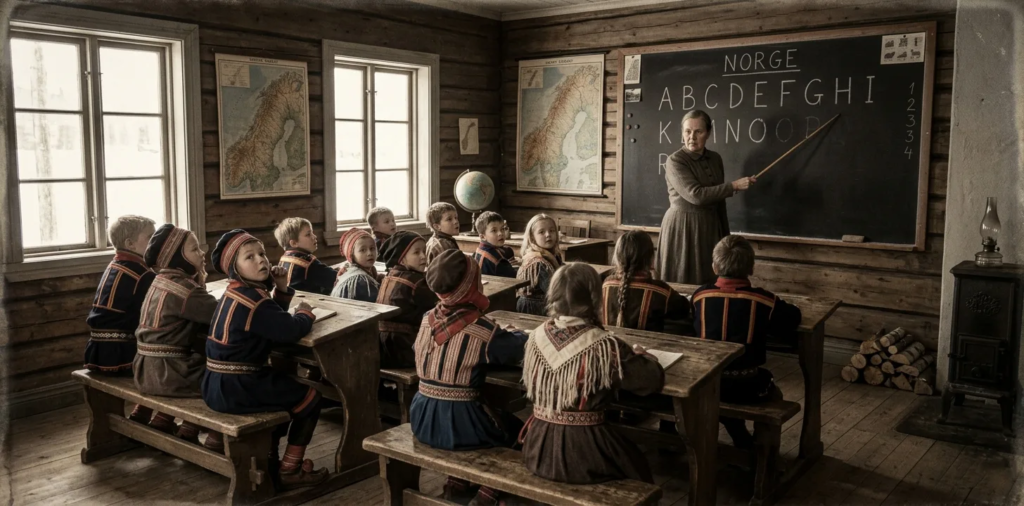
Historically, assimilasjon became important during periods of migration and empire building. Governments and societies often expected immigrants or minority groups to adopt the language, traditions, and customs of the majority population.
Also read:Is iCloud Email Secure? Complete Security Guide for Apple Mail Users in 2026
In the United States during the 19th and 20th centuries, many immigrants from Europe experienced assimilasjon. They learned English, changed cultural habits, and adapted to American society. Similar processes happened in other countries around the world.
Over time, experts realized that assimilasjon is not always simple. Some groups keep strong cultural identities while also adapting to new environments. This created modern discussions about multiculturalism, integration, and diversity.
Assimilasjon in Sociology
In sociology, assimilasjon refers to how minority groups gradually become part of the dominant culture.
This can include changes in:
- Language
- Clothing
- Food habits
- Social behavior
- Traditions
- Values
- Education
- Workplace culture
For example, when a family moves from another country to the United States, the children may start speaking English at school, celebrating American holidays, and adopting local customs. Over time, they may feel strongly connected to American culture while still respecting their original heritage.
Main Types of Sociological Assimilasjon
Cultural Assimilasjon
This happens when people adopt the customs, beliefs, language, and lifestyle of another culture.
Example:
An immigrant family starts celebrating Thanksgiving and speaking English daily.
Structural Assimilasjon
This occurs when minority groups become fully involved in institutions like schools, workplaces, and politics.
Example:
Immigrants joining local government or leadership positions.
Marital Assimilasjon
This refers to intermarriage between different ethnic or cultural groups.
Example:
A marriage between people from different national backgrounds.
Identificational Assimilasjon
This happens when people emotionally identify with the larger society.
Example:
A second-generation immigrant considering themselves fully American.
Civic Assimilasjon
This involves equal participation in society without conflict or discrimination.
Example:
Citizens from all backgrounds having equal legal rights and opportunities.
Assimilasjon of Language Sounds
One of the most important meanings of assimilasjon is found in linguistics.
In language studies, assimilasjon means that one sound changes to become more similar to a nearby sound. This makes pronunciation easier and faster.
This process happens naturally in almost every language.
Simple Example of Sound Assimilasjon
In English, the phrase “handbag” is often pronounced like “hambag.”
The “n” sound changes because it becomes easier to pronounce next to the “b” sound.
This is a common example of assimilasjon of language sounds.
Why Sound Assimilasjon Happens
Humans naturally try to speak efficiently. The mouth, tongue, and lips move quickly during speech, so sounds often change slightly to make speaking smoother.
Types of Linguistic Assimilasjon
Progressive Assimilasjon
A sound changes because of the sound before it.
Regressive Assimilasjon
A sound changes because of the sound after it.
Complete Assimilasjon
A sound becomes fully identical to another sound.
Partial Assimilasjon
A sound changes only partly.
Examples in Daily English
- “Input” may sound like “imput”
- “Green park” may sound like “greem park”
- “Ten bikes” may sound smoother in connected speech
These changes happen naturally in conversation.
Assimilasjon and Immigration
Immigration is one of the biggest areas connected to assimilasjon.
When people move to a new country, they often experience pressure or motivation to adapt. This adaptation may include:
- Learning a new language
- Understanding social rules
- Following local laws
- Building new friendships
- Joining schools or workplaces
In the United States, assimilasjon has shaped the national identity for centuries because America is a country built by immigrants.
The American “Melting Pot”
The United States is often called a “melting pot.” This idea suggests that different cultures blend together into one national culture.
However, modern experts argue that society is more like a “salad bowl,” where different cultures keep unique identities while still contributing to the larger society.
This debate is central to modern discussions about assimilasjon.
Positive Effects of Assimilasjon
Assimilasjon can create many social and personal benefits.
Better Communication
Learning the dominant language improves communication, education, and career opportunities.
Economic Opportunities
Assimilated individuals may find jobs more easily and participate more fully in the economy.
Social Inclusion
Assimilasjon can help people feel accepted and connected within society.
National Unity
Shared language and cultural understanding may reduce misunderstandings and conflict.
Educational Success
Children who adapt successfully to school systems often gain stronger academic opportunities.
Challenges and Criticism of Assimilasjon
Even though assimilasjon has advantages, it also creates serious concerns.
Loss of Cultural Identity
People may lose traditions, language, or cultural heritage.
Pressure to Conform
Some societies expect minorities to abandon their original culture completely.
Discrimination
Assimilasjon does not always guarantee equal treatment. Some groups still face prejudice.
Emotional Stress
People may struggle between two identities and feel disconnected from both cultures.
Generational Conflict
Older family members may want to preserve traditions while younger generations adapt more quickly.
Assimilasjon vs Integration
Many people confuse assimilasjon with integration, but they are different concepts.
Assimilasjon
The minority group changes to match the dominant culture.
Integration
Different groups coexist while keeping their own identities.
Modern societies increasingly support integration instead of complete assimilasjon because diversity is often seen as a strength.
Assimilasjon in Education
Schools play a major role in assimilasjon.
Students learn:
- Language
- Social norms
- National history
- Cultural expectations
- Communication styles
Teachers often help immigrant students adapt to new educational systems.
However, modern education also encourages multicultural respect. Many schools now celebrate cultural diversity rather than forcing complete assimilasjon.
Assimilasjon and Technology
Technology has changed assimilasjon in major ways.
Also read:GoDaddy Secure Email Login: Complete 2026 Guide for Safe Business Email Access
In the past, immigrants often lost contact with their home countries. Today, smartphones and social media allow people to maintain strong cultural ties while living abroad.
For example:
- Families can video chat daily
- People can watch media in their native language
- Online communities preserve traditions
- Translation apps reduce language barriers
Because of technology, modern assimilasjon is often slower and more flexible than in earlier generations.
Cultural Assimilasjon in Modern Society
Cultural assimilasjon happens constantly through entertainment, fashion, food, and social trends.
Examples include:
- Global popularity of American movies
- International fast-food chains
- Worldwide music trends
- Social media culture
- Shared internet language
At the same time, local cultures continue influencing global culture. This creates a two-way process instead of one-directional assimilasjon.
Assimilasjon in Scandinavian Countries
In Scandinavian countries such as Norway, Sweden, and Denmark, assimilasjon is often discussed in relation to immigration and national identity.
These countries balance two goals:
- Protecting national culture
- Supporting diversity and inclusion
The Norwegian term “assimilasjon” is frequently used in debates about language learning, citizenship, education, and immigrant participation in society.
Psychological View of Assimilasjon
Psychologist Jean Piaget used the word assimilation in child development theory.
According to Piaget, children understand new experiences by connecting them to existing knowledge.
For example:
A child who knows about dogs may call a wolf a “dog” because it looks similar. The child is assimilating new information into an existing mental category.
This psychological form of assimilasjon helps humans learn and understand the world.
Assimilasjon and Identity
Identity is deeply connected to assimilasjon.
People often ask questions like:
- Who am I?
- Where do I belong?
- Can I have two cultures?
- Do I need to change to fit in?
Modern identity is increasingly multicultural. Many people successfully balance multiple languages, traditions, and social identities.
This shows that assimilasjon today is more flexible than in the past.
Real-World Examples of Assimilasjon
Example 1: Language Learning
A person moving to the United States learns English and starts using American expressions in daily conversation.
Example 2: Food Culture
Immigrant families combine traditional recipes with local ingredients.
Example 3: Accent Changes
People living in a new region may slowly develop the local accent.
Example 4: Workplace Adaptation
International employees learn professional communication styles used in American companies.
Example 5: Social Media Trends
Global internet culture influences fashion, humor, and communication styles worldwide.
Assimilasjon and Globalization
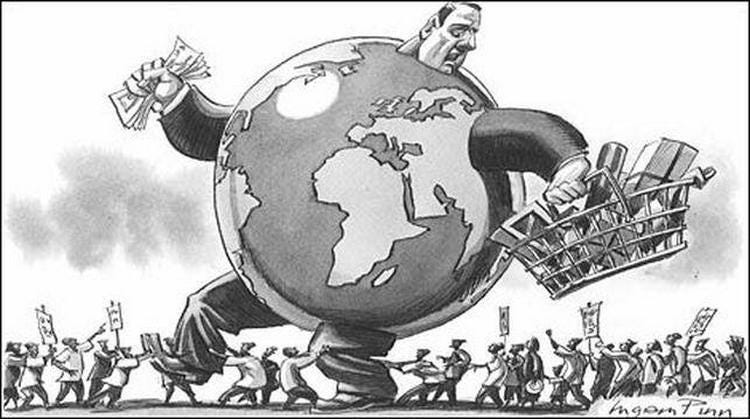
Globalization has increased assimilasjon across the world.
International travel, digital communication, and global trade allow cultures to interact constantly.
As a result:
- English has become a global language
- International brands spread worldwide
- Cultural trends move quickly between countries
- Younger generations share similar online experiences
However, globalization also creates resistance. Many communities work hard to preserve local languages and traditions.
Also read:How to Securely Send Documents Via Email: The Complete 2026 Safety Guide
Is Assimilasjon Always Necessary?
This is one of the biggest modern debates.
Some experts believe assimilasjon is important for social unity and opportunity.
Others argue that people should not have to abandon their heritage to succeed.
A balanced approach is becoming more popular:
- Learn the local language
- Respect national laws
- Participate in society
- Preserve cultural heritage
This model allows both adaptation and diversity.
The Future of Assimilasjon
The future of assimilasjon will likely be shaped by:
- Artificial intelligence
- Global migration
- Remote work
- Social media
- Multicultural education
- Digital communication
Future societies may become even more interconnected while still protecting unique cultural identities.
Experts predict that cultural blending will continue increasing, but complete cultural replacement may become less common.
Common Misunderstandings About Assimilasjon
Assimilasjon Does Not Always Mean Losing Identity
Many people maintain strong cultural traditions while adapting to new environments.
Assimilasjon Is Not Instant
It usually happens slowly over generations.
Assimilasjon Can Be Voluntary or Forced
Some people choose adaptation freely, while others experience social pressure.
Assimilasjon Happens in Many Areas
It is not limited to immigration. It also occurs in language, psychology, education, and technology.
Why Assimilasjon Matters Today
Assimilasjon remains highly relevant because the world is more connected than ever before.
Modern societies face challenges involving:
- Immigration
- Diversity
- National identity
- Language learning
- Social inclusion
- Global communication
Understanding assimilasjon helps people communicate better, reduce conflict, and build more inclusive communities.
It also helps businesses, educators, governments, and families understand how adaptation affects human behavior.
Expert Insights on Assimilasjon
One important insight is that successful assimilasjon often depends on mutual respect.
In the past, assimilasjon was sometimes treated as a one-way process where minorities had to change completely. Today, experts increasingly believe adaptation should work both ways.
Societies also change when new groups arrive. Food, music, language, and social ideas evolve over time.
Another important insight is that language plays a major role in social inclusion. People who can communicate confidently often gain better opportunities and stronger community connections.
At the same time, preserving cultural heritage supports mental health, family bonds, and personal identity.
This balance between adaptation and preservation is one of the most important social discussions of the modern world.
Conclusion
Assimilasjon is a powerful and complex concept that affects language, culture, psychology, education, and society. It explains how people, groups, and even speech sounds adapt and become more similar over time.
In today’s global world, assimilasjon continues shaping identity, communication, and social relationships. However, modern society increasingly values balance. People are encouraged to participate in society while still preserving important cultural traditions.
Understanding assimilasjon helps us better understand immigration, language development, diversity, globalization, and human behavior itself.
As the world becomes more connected, the discussion about assimilasjon will remain one of the most important conversations in culture and society for many years to come.
FAQs About Assimilasjon
What does assimilasjon mean in English?
Assimilasjon means “assimilation” in English. It refers to becoming similar to another group, culture, or sound system.
What is assimilasjon in linguistics?
In linguistics, assimilasjon happens when speech sounds change to become more similar to nearby sounds for easier pronunciation.
What is cultural assimilasjon?
Cultural assimilasjon occurs when people adopt the customs, language, and behavior of another culture.
Is assimilasjon positive or negative?
Assimilasjon can be both positive and negative depending on the situation. It may improve opportunities and communication, but it can also create loss of identity or cultural pressure.
What is the difference between assimilasjon and integration?
Assimilasjon involves adapting to the dominant culture, while integration allows groups to keep their own identity while participating in society.