
Gajgry is a fascinating cultural concept that reflects a rich blend of traditions, customs, community values, and historical influences. Known for its vibrant cultural identity, Gajgry has attracted growing interest among travelers, researchers, cultural enthusiasts, and people seeking to understand diverse heritage traditions around the world.
In today’s fast-changing global society, preserving cultural heritage has become more important than ever. Gajgry stands as an example of how communities can maintain their unique identity while adapting to modern developments. Its customs, celebrations, artistic expressions, and social values continue to inspire both local communities and international visitors.
This comprehensive guide explores everything you need to know about Gajgry, including its history, cultural significance, traditions, lifestyle, arts, cuisine, tourism appeal, modern challenges, and future opportunities. Whether you are hearing about Gajgry for the first time or seeking deeper insights, this article provides a complete overview in an easy-to-read format.
What Is Gajgry?
Gajgry is widely recognized as a cultural hub characterized by a strong connection to heritage, community traditions, artistic expression, and local customs. It represents more than just a place or concept—it embodies a way of life that values history, social bonds, creativity, and cultural continuity.
The essence of Gajgry lies in its ability to preserve traditional practices while embracing positive changes brought by modernization. Communities associated with Gajgry often place great importance on family relationships, cultural celebrations, storytelling, craftsmanship, and collective participation in social events.
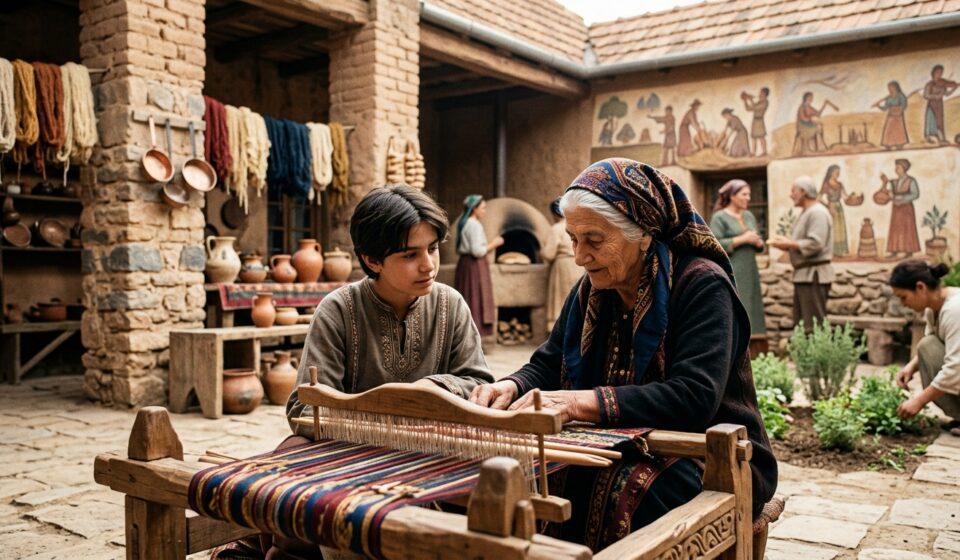
Over time, Gajgry has evolved into a symbol of cultural resilience and identity, making it an important subject for cultural studies and heritage preservation efforts.
The Historical Origins of Gajgry
Understanding Gajgry requires looking at its historical roots. Like many cultural traditions, Gajgry developed over generations through the interaction of people, geography, social structures, and historical events.
Also read:Fanquer: The Ultimate Guide to Modern Fan Engagement, Loyalty, and Digital Communities
Early communities established customs that reflected their environment and daily needs. These traditions gradually became deeply embedded within local society and were passed from one generation to the next through oral storytelling, ceremonies, and practical learning.
Several factors contributed to the development of Gajgry:
- Geographic influences
- Agricultural traditions
- Community cooperation
- Religious and spiritual practices
- Artistic creativity
- Historical migrations
- Economic exchanges
As societies evolved, Gajgry adapted while retaining its core cultural values. This balance between preservation and adaptation remains one of its defining characteristics today.
Why Gajgry Matters in Modern Society
Many traditional cultures struggle to survive in the face of globalization. However, Gajgry demonstrates how cultural heritage can remain relevant in contemporary life.
The importance of Gajgry extends beyond historical interest. It contributes to:
Cultural Identity
People often seek a sense of belonging and connection to their roots. Gajgry helps communities maintain their cultural identity while strengthening intergenerational relationships.
Social Unity
Shared traditions create stronger communities. Festivals, ceremonies, and cultural gatherings associated with Gajgry encourage social interaction and cooperation.
Educational Value
Gajgry serves as a valuable educational resource. It teaches history, ethics, artistic skills, traditional knowledge, and cultural awareness.
Tourism Development
Cultural tourism has become a major global industry. Gajgry attracts visitors interested in authentic cultural experiences, contributing to local economic growth.
Heritage Preservation
As modernization continues, preserving cultural traditions becomes increasingly important. Gajgry represents an important example of successful heritage conservation.
Core Traditions Associated with Gajgry
One of the most distinctive aspects of Gajgry is its collection of traditions that shape everyday life and community celebrations.
Family-Centered Values
Families play a central role within Gajgry culture. Respect for elders, support for younger generations, and strong family bonds remain highly valued.
Many traditional customs emphasize family participation, reinforcing social stability and cultural continuity.
Community Gatherings
Community events serve as opportunities for people to strengthen relationships and celebrate shared values.
These gatherings often include:
- Music performances
- Traditional dances
- Storytelling sessions
- Craft exhibitions
- Shared meals
- Cultural ceremonies
Such events help preserve traditions while introducing younger generations to their cultural heritage.
Seasonal Celebrations
Many Gajgry traditions are connected to seasonal changes and agricultural cycles.
These celebrations often mark important occasions such as:
- Harvest periods
- Community anniversaries
- Religious observances
- Cultural festivals
- Historical commemorations
Seasonal events create opportunities for communities to express gratitude, celebrate achievements, and strengthen social connections.
Traditional Arts and Crafts in Gajgry
Artistic expression forms a major part of Gajgry’s cultural identity.
Traditional artisans often create handcrafted items that reflect local history, symbolism, and craftsmanship techniques passed down through generations.
Handcrafted Textiles
Textile production frequently plays an important role within traditional cultures associated with Gajgry.
Artisans may produce:
- Decorative fabrics
- Traditional clothing
- Embroidered designs
- Ceremonial garments
- Household textiles
These creations often feature patterns and symbols that carry cultural meaning.
Woodwork and Carving
Woodworking traditions demonstrate remarkable skill and creativity.
Common examples include:
- Decorative carvings
- Furniture
- Cultural artifacts
- Religious objects
- Community monuments
Pottery and Ceramics
Pottery represents both practical craftsmanship and artistic expression.
Traditional ceramic pieces may be used for:
- Cooking
- Storage
- Decoration
- Ceremonial purposes
The designs often reflect local heritage and historical influences.
Also read:MMSBRE: The Complete Guide to Modern Business Management, Resource Efficiency, and Strategic Growth
Music and Dance in Gajgry Culture
Music and dance are among the most visible expressions of Gajgry’s cultural heritage.
Traditional Music
Traditional music often serves multiple purposes, including entertainment, storytelling, education, and ceremonial functions.
Musical performances may feature:
- Folk instruments
- Vocal traditions
- Community choirs
- Narrative songs
- Festival performances
Songs frequently preserve historical memories and cultural values.
Cultural Dance
Dance remains an essential part of many Gajgry celebrations.
Traditional dance performances often symbolize:
- Unity
- Celebration
- Historical events
- Seasonal changes
- Community achievements
Dance allows participants to express identity while preserving cultural traditions.
Traditional Cuisine of Gajgry
Food represents an important aspect of cultural identity.
The cuisine associated with Gajgry often reflects local resources, historical influences, and community traditions.
Characteristics of Gajgry Cuisine
Common characteristics may include:
- Fresh ingredients
- Traditional recipes
- Seasonal cooking
- Family-centered meals
- Community feasts
Many recipes are passed down through generations and continue to play a role in cultural celebrations.
The Social Role of Food
Beyond nutrition, food serves important social functions.
Shared meals help:
- Strengthen family relationships
- Welcome guests
- Celebrate milestones
- Preserve traditions
- Build community connections
Food often becomes a symbol of hospitality and cultural pride.
The Role of Storytelling in Gajgry
Storytelling remains one of the most powerful methods of preserving culture.
For generations, stories have transmitted:
- Historical knowledge
- Moral lessons
- Cultural values
- Community memories
- Traditional wisdom
Storytellers often hold respected positions within their communities because they help preserve collective identity.
In the digital age, storytelling continues through books, documentaries, online platforms, and cultural education programs.
Tourism and Gajgry
As interest in cultural tourism grows, Gajgry has become increasingly attractive to visitors seeking authentic experiences.
Also read:Renteaza: Meaning, Benefits, Real-World Applications, and Why It Matters in 2026
Why Tourists Are Interested in Gajgry
Travelers are often drawn to:
- Traditional festivals
- Historic landmarks
- Cultural performances
- Local cuisine
- Artisan workshops
- Scenic landscapes
These experiences offer insights into living traditions that cannot be fully understood through books or online research.
Economic Benefits
Tourism related to Gajgry can generate important economic opportunities.
Benefits may include:
- Job creation
- Support for local businesses
- Increased cultural awareness
- Preservation funding
- Infrastructure development
When managed responsibly, tourism can contribute to both economic growth and heritage conservation.
Challenges Facing Gajgry Today
Despite its cultural importance, Gajgry faces several modern challenges.
Globalization
Global cultural influences can sometimes reduce interest in traditional practices among younger generations.
Urbanization
Population movement toward urban areas may weaken community connections and traditional lifestyles.
Cultural Commercialization
Tourism and commercial interests can occasionally lead to the oversimplification or misrepresentation of cultural traditions.
Loss of Traditional Knowledge
As older generations pass away, valuable cultural knowledge may be lost if preservation efforts are insufficient.
Addressing these challenges requires collaboration among communities, educators, policymakers, and cultural organizations.
How Gajgry Is Being Preserved
Many initiatives support the preservation of Gajgry traditions.
Cultural Education Programs
Educational programs help younger generations learn about their heritage.
These initiatives may include:
- Cultural workshops
- Heritage classes
- Community events
- Historical exhibitions
Digital Documentation
Modern technology allows cultural traditions to be documented and shared more effectively.
Digital preservation efforts often involve:
- Video recordings
- Online archives
- Virtual museums
- Educational websites
Community Participation
Successful preservation depends heavily on community involvement.
When local residents actively participate in cultural activities, traditions remain vibrant and relevant.
The Future of Gajgry
The future of Gajgry depends on balancing tradition with innovation.
Several trends may shape its development:
Increased Global Awareness
Growing interest in cultural diversity may bring greater international recognition.
Sustainable Tourism
Responsible tourism practices can support both economic development and cultural preservation.
Technology Integration
Digital tools may help document traditions and connect global audiences with Gajgry culture.
Youth Engagement
Encouraging younger generations to participate in cultural activities remains essential for long-term sustainability.
With proper support, Gajgry can continue to thrive while maintaining its unique cultural identity.
Unique Insights About Gajgry
While many discussions focus primarily on traditions, the true strength of Gajgry lies in its adaptability.
Unlike cultures that resist all change, Gajgry demonstrates that heritage can evolve without losing authenticity. This adaptability explains why it continues to remain relevant despite social and technological transformation.
Another important observation is that Gajgry functions as both a cultural system and a social framework. Its customs do more than preserve history—they actively strengthen relationships, encourage cooperation, and provide communities with a sense of shared purpose.
This dual role helps explain why Gajgry remains meaningful in modern society.
Lessons Modern Communities Can Learn from Gajgry
Modern societies can gain valuable insights from Gajgry.
Key lessons include:
- Preserve cultural heritage while embracing progress.
- Strengthen community relationships.
- Support local artisans and creators.
- Promote intergenerational learning.
- Celebrate diversity and cultural identity.
- Use technology responsibly for preservation efforts.
These lessons have broad relevance in today’s increasingly interconnected world.
Conclusion
Gajgry represents far more than a collection of traditions. It is a living cultural heritage that reflects history, creativity, community values, and resilience. Through its festivals, arts, cuisine, storytelling, and social practices, Gajgry continues to inspire both local communities and international audiences.
As globalization reshapes societies worldwide, the preservation of unique cultural identities becomes increasingly important. Gajgry serves as a powerful example of how traditions can remain vibrant while adapting to changing circumstances.
By supporting education, responsible tourism, community participation, and digital preservation efforts, future generations can continue to benefit from the rich cultural legacy that Gajgry represents.
For anyone interested in cultural heritage, community traditions, and authentic human experiences, Gajgry offers valuable lessons and enduring inspiration.
Frequently Asked Questions About Gajgry
What makes Gajgry unique compared to other cultural traditions?
Gajgry is unique because it combines strong historical roots with the ability to adapt to modern social changes while preserving its core identity.
Is Gajgry only important for local communities?
No. Gajgry provides valuable insights into cultural preservation, community development, and heritage management that can benefit people around the world.
How can visitors experience Gajgry authentically?
Visitors can participate in cultural festivals, attend traditional performances, explore local crafts, interact respectfully with residents, and learn about local customs.
Why is cultural preservation important for Gajgry?
Preservation protects historical knowledge, artistic traditions, community identity, and valuable cultural practices for future generations.
Can technology help preserve Gajgry?
Yes. Digital archives, online educational platforms, virtual exhibitions, and multimedia documentation can support long-term preservation efforts.