
The term pappedeckel comes from the German language and simply means cardboard lid. In today’s world, pappedeckel is more than just a basic packaging item. It has become a symbol of eco-friendly living and sustainable packaging solutions.
As people and businesses look for ways to reduce plastic waste, pappedeckel is gaining attention across the United States and globally. From coffee cup lids to food containers and industrial packaging, pappedeckel is helping reduce environmental damage while maintaining functionality.
This article explores everything about pappedeckel in a simple, easy-to-read way. It explains what it is, how it works, why it matters, and how it fits into modern sustainability goals.
What is pappedeckel
Pappedeckel refers to lids or covers made from cardboard or paper-based materials. These lids are commonly used as an alternative to plastic lids in food packaging, beverages, and product containers.
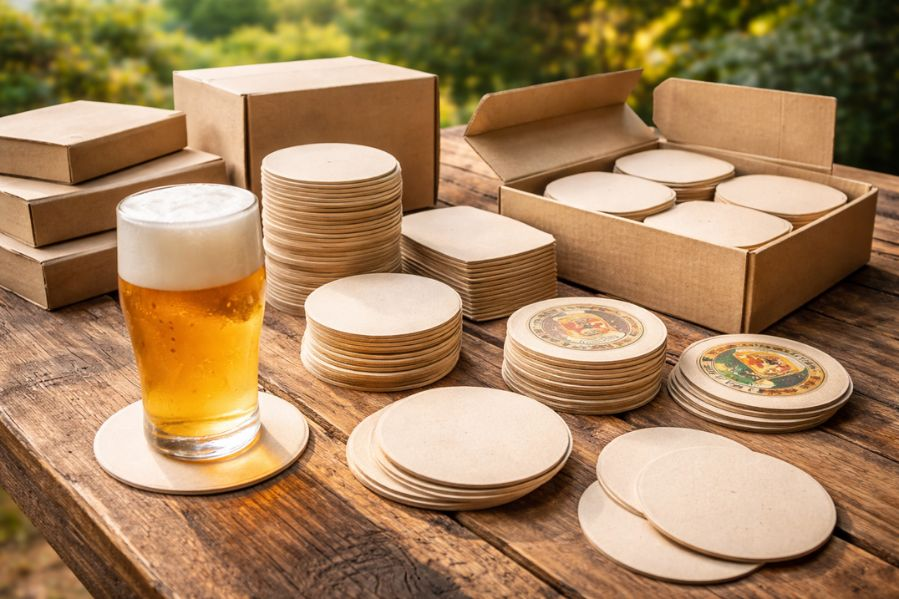
Unlike plastic, pappedeckel is made from renewable resources such as wood pulp. It can be recycled and often biodegrades naturally over time.
Pappedeckel products are designed to be:
- lightweight
- strong enough for daily use
- safe for food contact
- environmentally friendly
This makes them a preferred choice for businesses that want to reduce their environmental impact.
Also read:Kibard: A Complete Guide to Modern Input Devices, Uses, Benefits, and Future Trends
Why pappedeckel is becoming popular
There are several reasons why pappedeckel is growing in popularity, especially in the United States.
First, people are more aware of plastic pollution. Millions of tons of plastic waste end up in oceans each year. Organizations like the Environmental Protection Agency have highlighted the need to reduce single-use plastics.
Second, governments and cities are introducing rules to limit plastic use. This encourages businesses to switch to alternatives like pappedeckel.
Third, customers now prefer eco-friendly products. Many people choose brands that care about the environment. Using pappedeckel helps companies build trust and improve their image.
Materials used in pappedeckel
Pappedeckel is mainly made from paperboard or cardboard. These materials come from wood fibers that are processed into sheets.
Some common materials include:
- kraft paperboard
- recycled paper pulp
- coated paper for moisture resistance
To improve performance, pappedeckel may include thin coatings. These coatings help resist water, grease, and heat. Modern coatings are often biodegradable or compostable.
Many manufacturers follow standards set by organizations like the Forest Stewardship Council to ensure responsible sourcing of raw materials.
Types of pappedeckel
Pappedeckel comes in many forms depending on its use.
coffee cup lids
These are designed to fit hot beverage cups. They often include a small opening for drinking.
food container lids
Used for takeaway meals, these lids help keep food fresh and secure.
industrial packaging lids
Used in shipping and storage, these provide protection for products.
custom printed lids
Businesses can print logos and designs on pappedeckel to promote their brand.
each type is designed to meet specific needs while staying eco-friendly.
Environmental benefits of pappedeckel
One of the biggest advantages of pappedeckel is its positive impact on the environment.
recyclable and biodegradable
Unlike plastic lids, pappedeckel can be recycled in most paper recycling systems. It can also break down naturally in composting conditions.
lower carbon footprint
Producing cardboard materials usually requires less energy compared to plastic. This results in lower greenhouse gas emissions.
reduced plastic pollution
By replacing plastic lids, pappedeckel helps reduce waste in landfills and oceans.
renewable resource
Paper-based products come from trees, which can be replanted and managed sustainably.
These benefits make pappedeckel an important part of the global shift toward sustainability.
Challenges of pappedeckel
Although pappedeckel offers many advantages, it also has some challenges.
moisture resistance
Cardboard can absorb water. Special coatings are needed to make pappedeckel suitable for liquids.
Also read:Pravi Celer: A Complete Guide to True Celery, Nutrition, Uses, and Health Benefits
durability
Plastic lids are often stronger and more flexible. Pappedeckel must be carefully designed to match this strength.
cost
In some cases, eco-friendly materials can be more expensive to produce. However, prices are decreasing as demand grows.
recycling limitations
If pappedeckel has certain coatings, it may not be accepted in all recycling systems.
Despite these challenges, innovation is improving the quality and performance of pappedeckel.
Pappedeckel vs plastic lids
Understanding the difference between pappedeckel and plastic lids helps explain why many businesses are switching.
environmental impact
Pappedeckel is biodegradable and recyclable. Plastic lids can take hundreds of years to break down.
health safety
Pappedeckel is often free from harmful chemicals found in some plastics.
branding opportunities
Cardboard surfaces are easier to print on, allowing better customization.
performance
Plastic lids are more water-resistant, but modern pappedeckel is closing this gap with improved coatings.
overall, pappedeckel is a better choice for sustainability, while plastic still has some functional advantages.
Innovations in pappedeckel technology
The pappedeckel industry is evolving quickly. New technologies are making these products more effective and widely used.
biodegradable coatings
Manufacturers are developing coatings that resist water while still breaking down naturally.
molded fiber lids
These are made from recycled paper pulp and shaped into strong, durable lids.
heat-resistant designs
New designs allow pappedeckel to handle hot beverages without losing shape.
smart packaging
Some pappedeckel products include QR codes or digital features for customer engagement.
These innovations are helping pappedeckel compete with traditional plastic solutions.
Role of pappedeckel in sustainable business practices
Businesses across the United States are adopting pappedeckel as part of their sustainability strategies.
reducing environmental impact
Using pappedeckel helps companies lower their carbon footprint.
meeting regulations
Many regions are banning or limiting plastic use. Pappedeckel helps businesses comply with these rules.
improving brand image
Customers prefer eco-friendly brands. Using pappedeckel shows commitment to the environment.
supporting circular economy
Pappedeckel fits into recycling systems, helping create a cycle of reuse and sustainability.
Organizations like the European Union have already introduced strict policies on single-use plastics, influencing global markets.
How consumers can support pappedeckel
Consumers play an important role in promoting the use of pappedeckel.
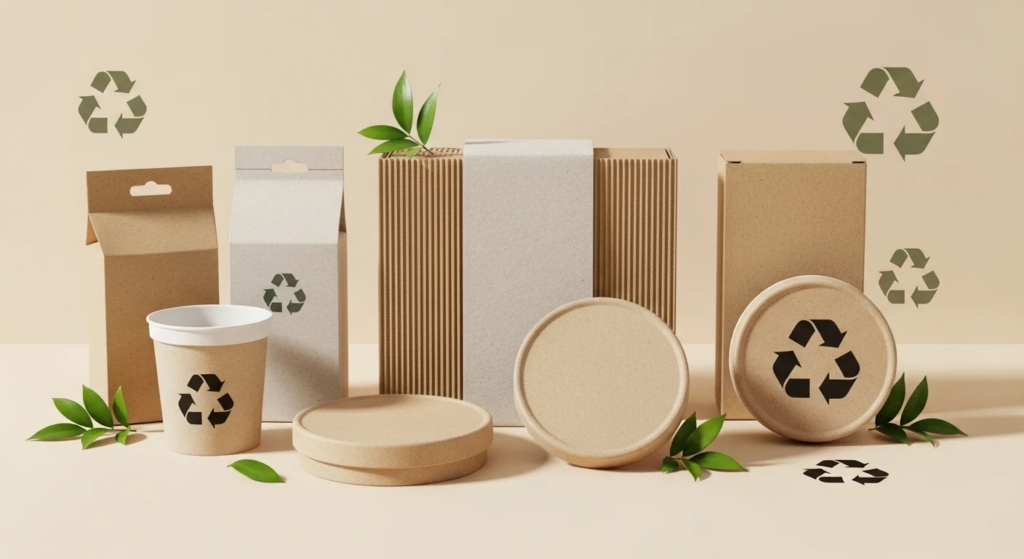
choose eco-friendly products
Buy from brands that use cardboard packaging.
recycle properly
Dispose of pappedeckel in paper recycling bins when possible.
support sustainable companies
Encourage businesses that prioritize the environment.
spread awareness
Talk about the benefits of pappedeckel with others.
small actions can create big changes over time.
Future of pappedeckel
The future of pappedeckel looks very promising.
Also read:TabooTube: A Complete Guide to the Underground Video Platform Changing Digital Storytelling
growing demand
As awareness increases, more businesses will adopt cardboard lids.
better technology
Innovations will improve strength, water resistance, and cost.
global adoption
More countries are moving away from plastic, increasing the use of pappedeckel.
policy support
Government regulations will continue to encourage sustainable packaging.
pappedeckel is expected to become a standard solution in many industries.
Expert insights and analysis
From a long-term perspective, pappedeckel represents more than just a packaging trend. It reflects a shift in how society values sustainability.
One key insight is that consumer behavior is driving change faster than regulations. People now actively look for eco-friendly options. This creates pressure on companies to adapt.
Another important factor is innovation. As technology improves, the performance gap between plastic and cardboard is shrinking. This means pappedeckel will soon match or even exceed plastic in many applications.
Finally, the cost barrier is decreasing. As production scales up, pappedeckel will become more affordable, making it accessible to more businesses.
How businesses can switch to pappedeckel
If a company wants to adopt pappedeckel, it can follow these steps.
evaluate current packaging
Identify where plastic lids are used.
find suppliers
Look for manufacturers that offer high-quality pappedeckel.
test products
Ensure the lids meet performance requirements.
train staff
Teach employees how to use and handle new packaging.
inform customers
Explain the benefits of switching to eco-friendly options.
this transition can improve both environmental impact and brand reputation.
Frequently asked questions about pappedeckel
what does pappedeckel mean in english?
Pappedeckel means cardboard lid or paper lid.
is pappedeckel safe for hot drinks?
Yes, modern pappedeckel is designed to handle heat, especially with special coatings.
can pappedeckel be composted?
Many types can be composted, depending on the coating used.
is pappedeckel more expensive than plastic?
It can be slightly more expensive, but prices are becoming more competitive.
are all pappedeckel products recyclable?
Most are recyclable, but it depends on local recycling systems and materials used.
why are companies switching to pappedeckel?
Companies want to reduce plastic waste and meet customer demand for eco-friendly products.
Conclusion
Pappedeckel is a simple yet powerful solution to one of the world’s biggest problems: plastic waste. It offers a balance between functionality and sustainability, making it an ideal choice for modern packaging.
As technology improves and awareness grows, pappedeckel will play an even bigger role in shaping a cleaner and greener future. Businesses and consumers both have the opportunity to support this change.
By choosing pappedeckel, we take a small but meaningful step toward protecting the planet for future generations.