
In everyday life, people often focus on the main structure of a product. For example, when we look at a chair, we notice its shape and strength. But what makes that chair truly attractive and comfortable is the final touch. This finishing process is known as acamento.
Acamento is the stage where a product is improved in appearance, texture, and comfort. It includes sanding surfaces, adding polish, applying paint, or even attaching soft materials like cushions. This process turns a simple item into something beautiful and useful.
This article explains acamento in a clear and simple way. It covers how it works, why it matters, and how it is used in different industries.
What Is Acamento
Acamento is the final step in making or improving a product. It focuses on making the product smooth, shiny, comfortable, and visually appealing.
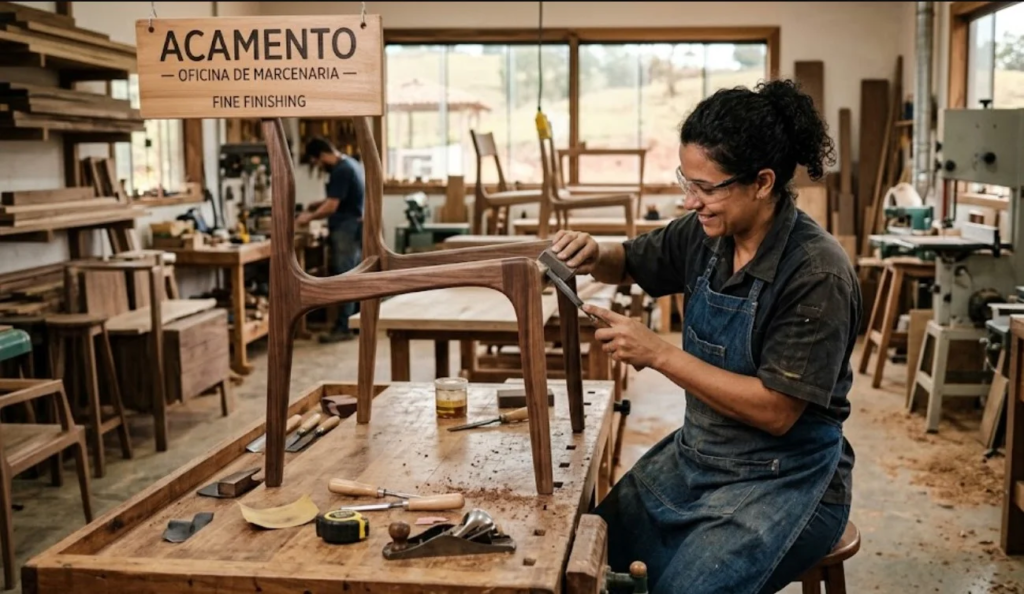
For example:
A wooden table is sanded to remove rough edges
A chair is painted and polished to look clean and bright
A sofa is covered with soft fabric for comfort
All of these steps are part of acamento.
Also read:Hormita The Complete Guide to a Natural Water Purification Solution and Sustainable Future
In simple words, acamento is about making things look better and feel better.
Why Acamento Is Important
Acamento plays a key role in how people experience a product. Without proper finishing, even a strong and well-built item can look unattractive.
Here are some main reasons why acamento is important:
It improves appearance
It increases comfort
It protects the product
It adds value
A product with good acamento is more likely to attract buyers and last longer.
The Main Elements of Acamento
Acamento is not just one step. It includes several processes that work together.
Surface Smoothing
This is usually the first step. Workers use tools to sand or smooth the surface. This removes rough spots and prepares the item for finishing.
Polishing
Polishing makes the surface shiny and smooth. It gives a clean and professional look.
Painting or Coating
Paint or coating is applied to add color and protect the surface. This also helps prevent damage from water or dust.
Adding Soft Materials
In some products, acamento includes adding cushions, fabric, or padding. This improves comfort and usability.
Final Inspection
The product is checked to make sure it looks good and feels right.
Types of Acamento in Different Industries
Acamento is used in many industries. Each industry applies it in a different way.
Furniture Industry
In furniture, acamento is very important. It includes sanding wood, applying varnish, and adding cushions.
For example:
Wooden chairs are polished to look smooth
Sofas are covered with fabric or leather
Tables are coated to protect against stains
Construction Industry
In construction, acamento is used for walls, floors, and ceilings.
Also read:Pantagonar The Complete Guide to a Smarter Balanced and Future Ready Lifestyle
Examples include:
Painting walls
Polishing floors
Adding decorative finishes
This makes buildings look complete and attractive.
Automotive Industry
Cars also go through acamento. This includes painting, polishing, and interior finishing.
A car without proper finishing would not look appealing or comfortable.
Fashion and Textiles
In clothing, acamento involves adding final touches like ironing, stitching details, and decorative elements.
This improves both style and comfort.
Materials Used in Acamento
Different materials are used depending on the product.
Common materials include:
Paint and varnish
Polishing compounds
Fabric and foam
Protective coatings
Each material plays a role in improving the final result.
Tools Used in Acamento
Workers use different tools to perform acamento tasks.
Some common tools are:
Sandpaper for smoothing
Polishing machines for shine
Paint brushes or spray guns
Cutting and stitching tools
These tools help achieve a high-quality finish.
Step-by-Step Process of Acamento
Understanding the process helps explain how acamento works.
First, the surface is cleaned and prepared
Next, rough areas are smoothed using sandpaper
Then, paint or polish is applied
After that, soft materials or decorative elements are added
Finally, the product is inspected
Each step is important for the final result.
Benefits of High-Quality Acamento
Good acamento offers many benefits.
Better appearance makes products more attractive
Improved comfort increases user satisfaction
Protective layers extend product life
Higher value allows better pricing
This shows why businesses invest in quality finishing.
Common Mistakes in Acamento
Not all finishing work is perfect. Some common mistakes include:
Uneven sanding
Poor paint application
Using low-quality materials
Skipping final inspection
These mistakes can reduce the quality of the product.
How to Improve Acamento Quality
Improving acamento requires attention to detail.

Use high-quality materials
Follow proper steps
Train workers effectively
Check the final result carefully
Small improvements can make a big difference.
Also read:Pappedeckel: a complete guide to sustainable cardboard lids and packaging in 2026
Modern Trends in Acamento
Acamento is evolving with new technology and ideas.
Eco-friendly materials are becoming popular
Automated tools improve accuracy
Custom finishes allow personalization
Minimalist designs focus on simple beauty
These trends show how acamento continues to grow.
Acamento and Customer Experience
Customers often judge a product by its appearance and feel. Acamento directly affects this experience.
A smooth and polished surface feels better
A well-painted product looks more attractive
Soft materials improve comfort
This creates a positive impression and builds trust.
Cost vs Value in Acamento
Some businesses try to reduce costs by skipping proper finishing. This can be a mistake.
While acamento adds cost, it also increases value. A well-finished product can be sold at a higher price and attract more customers.
Investing in acamento often leads to better long-term results.
Environmental Impact of Acamento
Some finishing processes use chemicals that can harm the environment. Today, many industries are moving toward safer options.
Water-based paints
Recyclable materials
Low-emission coatings
These options reduce environmental impact while maintaining quality.
Future of Acamento
The future of acamento looks promising.
New materials will improve durability
Advanced tools will increase efficiency
Sustainable practices will become standard
As technology grows, acamento will become even more important.
Unique Insights on Acamento
One key insight is that acamento is not just about looks. It is about creating a complete experience. A product should not only work well but also feel good to use.
Another insight is that simple finishing can make a big difference. Even small changes like better polishing or cleaner paint can greatly improve quality.
Finally, acamento reflects attention to detail. It shows how much care is put into making a product.
Practical Tips for Beginners
If you are new to acamento, start with simple steps.
Practice sanding to get a smooth surface
Use basic tools before advanced ones
Choose easy-to-use materials
Focus on small projects first
Learning step by step helps build confidence.
FAQs About Acamento
What does acamento mean in simple words?
Acamento means adding final touches to make a product smooth, attractive, and comfortable.
Is acamento only about appearance?
No, it also improves comfort and protects the product.
Where is acamento used?
It is used in furniture, construction, cars, clothing, and many other industries.
Can acamento be done at home?
Yes, simple finishing tasks like sanding and painting can be done at home.
What skills are needed for acamento?
Basic skills include attention to detail, patience, and proper use of tools.
How long does acamento take?
The time depends on the product and process. Some tasks take minutes, while others take days.
Conclusion
Acamento is a vital part of creating high-quality products. It transforms basic items into something attractive, comfortable, and valuable.
From furniture to cars, and from buildings to clothing, acamento plays an important role in many industries. It improves appearance, protects materials, and enhances user experience.
By understanding and applying proper acamento techniques, businesses and individuals can create better products and achieve greater success.